ROYAL DECREE 833/1988 OF 20 JULY APPROVING THE REGULATIONS IMPLEMENTING FRAMEWORK LAW 20/1986 ON TOXIC AND HAZARDOUS WASTE.
The achievement of the objectives proposed in Law 20/1986 of 14 May, basic toxic and hazardous waste, which incorporates into national law Directive 78/319/EEC of 20 March on the aforementioned waste, requires that the activities of producers and managers of the said wastes be carefully regulated, in order to ensure fully that their treatment and proper control achieve the intended safety for population and the environment.
Pursuant to paragraph 1 of the first additional provision of the Basic Law, this regulation is drawn up, regulating the production and management of toxic and hazardous waste, the control and monitoring of such waste, as well as the responsibilities, infringements and penalties that may arise from the improper exercise of those activities.
It is therefore a rule that develops the law in the above aspects, making it possible to apply it effectively, from which the precise data will be obtained for the elaboration and implementation of further measures that complete the possibilities offered by the law and the full achievement of its objectives.
The regulation is structured into five chapters, regulators, respectively: general provisions (Chapter I), legal regime of production (Chapter II), legal regime of management (Chapter III), surveillance, inspection and control (Chapter IV), responsibilities, infringements and penalties (Chapter V). Two transitional provisions and an additional one regulate the obligation to submit to existing toxic and hazardous waste producers and managers as of the date of its entry into force.
In accordance with the provisions of the first additional provision, points 2 and 3, of the Basic Law, the provisions of the regulations regulating minimum conditions for the authorisation of production and management plant industries, the obligations of producers and managers and the confidentiality of information have a basic character, Having the rest of its precepts the character of supplementary rules applicable, where appropriate, in the territories of autonomous communities as appropriate according to their respective competences.
In accordance with the Council of State, on a proposal from the Minister for Public Works and Urban Planning and after discussion by the Council of Ministers at its meeting on 20 July 1988,
DESIGN:
Single article. THE REGULATION ON THE IMPLEMENTATION OF LAW 20/1986 OF 14 MAY, BASIC ON TOXIC AND hazardous waste, WHICH IS OBJECTED AS AN ANNEX TO THIS REAL DECREE, IS APPROVED.
Final disposition
The Minister for Public Works and Urban Planning is empowered to issue any provisions necessary to comply with the provisions of that regulation.
Given in Madrid on 20 July 1988.
Juan carlos r.
The minister of public works
And urban planning,
Javier luis saenz de cosculluela
CHAPTER ONE
General provisions
ARTICLE 1. OBJECT. THIS REGULATION OBJECTS THE DEVELOPMENT OF LAW 20/1986 OF 14 MAY, BASIC ON TOXIC AND hazardous waste FOR WASTE DISHING ACTIVITIES AND MANAGEMENT OF SAMES TO BE GUARANTEEED IN PROTECTION OF HUMAN HEALTH, ENVIRONMENTAL DEFINANCE AND PRESERVATION OF NATURAL RESOURCES.
ART. 2. Basic rules. 1. The rules of these Regulations contained in Articles 5, 6, 7, 10, 13, 14, 15, 16, 18, 20, 21, 22, 23, 24, 25, 27, 29, 30, 31, 32, 35, 37, 38, 40, 41, 43, 46 and 47 shall have a basic character, regulating the minimum conditions for the authorization of installations in production industries and management operations, the obligations of producers and managers and the confidentiality of information.
ART. 3. Definitions . For the purposes of the application of Act No. 20/1986 and these Regulations, in addition to the definitions set out in Article 2. The following shall be taken into account:
Pretreatment: operation that by modifying the physical or chemical characteristics of the residue pursues a greater ease for its manipulation, treatment or elimination.
Packaging: material or container intended to wrap or temporarily contain toxic and hazardous waste during the operations comprising the management of such waste. Collection centre: installation intended for the collection and grouping, temporary storage and possible pre-treatment of toxic and hazardous waste from producers, with the aim of acting as centres for regulating the flow of waste referred to a treatment or disposal facility.
Treatment installation: the industrial installations that through a series of physical, chemical or biological processes pursue the reduction or cancellation of the harmful effects of toxic and hazardous waste or the recovery of the resources they contain.
Disposal facilities: installations intended for the definitive containment or destruction of toxic and hazardous waste.
Reuse: use of UN recovered material in another production cycle other than that which gave rise to it or as a consumer good.
Recycling: introduction of UN recovered material into the production cycle in which it has been generated.
Regeneration: treatment to which is subjected A product used or worn for the purpose of returning to it the original qualities that allow its reuse.
ART. 4. Scope of application . 1. This Regulation shall apply to toxic and hazardous waste-producing activities, management activities of such wastes, containers and empty containers containing such wastes.
2. The character of toxic and hazardous waste shall be those which, by reason of its content, presentation form or other characteristics, may be regarded as such, in accordance with the criteria set out in Annex I to this Regulation, also include containers and packages containing them and intended for abandonment.
3. The scope of application of this royal decree excludes radioactive waste, mining waste, emissions to the atmosphere and effluents whose discharge to the sewer, to the watercourses or to the sea is regulated in the legislation in force, without prejudice to the fact that such discharges avoid transferring pollution or environmental deterioration to another receiving environment.
ART. 5. Special regime for emergencies . 1. In emergency situations that could result from the production and management of toxic and hazardous waste, it will be in accordance with the provisions of the CIVIL protection legislation.
2. The authorisations granted for both the production and the management of toxic and hazardous waste shall be subject to compliance with the requirements laid down in the legislation referred to in the preceding paragraph.
ART. 6. CIVIL liability insurance . 1. The public administration competent to grant authorization for the installation and operation of toxic and hazardous waste industries or activities may require the establishment of UN insurance covering the responsibilities that may give rise to its activities.
2. The authorisation of management of toxic and hazardous waste shall be subject to the establishment by the applicant for a CIVIL liability insurance covering the risk of compensation for any damage caused to third parties or their property resulting from the exercise of the activities covered by that administrative authorization.
In addition, CIVIL liability insurance will be required from producers engaged in management activities to cover the responsibilities arising therefrom.
3. Where the extension or modification of both production and management facilities or activities, in the opinion of the administration, involve an increase in the quantity to be ensured, it shall also be fixed in the corresponding authorization.
4. The insurance must in any case cover:
(a) Compensation for death, injury or illness of persons.
(b) Compensation for damage to property.
C) the costs of repairing and recovering the altered environment.
5. The quantitative limit of the responsibilities to be ensured shall be fixed by the administration, at the time of granting authorisation, in accordance with paragraph 2 and shall be updated annually in the percentage of variations experienced by the general price index officially published by the national statistical institute. That percentage shall be applied each year on the insured capital figure of the immediately preceding period.
6. The insurance contract may only be terminated at the request of the insured person in one of the following cases:
(a) the contract is replaced by another of the same characteristics and covers, as a minimum, the risks expressed in point 4 of this Article.
(b) that the production or management of toxic and hazardous waste ceases, subject to notification to the administration which authorized it, and in the case of managing companies, after authorization by the administration, without prejudice to the responsibilities arising from the period in which they have been carrying out the activities, in accordance with the provisions of the CIVIL code.
7. The producer or manager of toxic or hazardous waste shall maintain the insurance contract suitable for the protection of insured risks.
In the event of suspension of this coverage, or termination of the insurance contract for any reason, the insurance company shall communicate such facts to the authorizing administration, who shall grant A period of time to the producer or manager of the waste for the rehabilitation of that coverage or for the subscription of UN new insurance.
In the meantime, the effectiveness of the authorisation granted will be suspended and the producer or manager will not be able to carry out the activities for which it has been authorised.
ART. 7. Confidentiality . 1. Without prejudice to the provisions of national defence laws, information provided to the administration by toxic and hazardous waste producers and managers shall be confidential in matters relating to industrial processes.
2.
The producers and managers of toxic and hazardous waste may formulate to the administration a request for confidentiality regarding other aspects of the information they provide. The administration will agree to the request, unless there are sufficient reasons to refuse the petition, in which case the resolution will have to be properly substantiated.
ART. 8. Functions of the administration of the state in relation to toxic and hazardous waste. The administration of the state:
(a) coordinate toxic and hazardous waste policy throughout the national territory.
(b) without prejudice to the executive powers of the State over imported and exported waste, it shall also coordinate activities relating to toxic and hazardous waste affecting more than one autonomous community, for which purpose it shall establish the necessary information instruments, in addition to those provided for in this regulation.
(c) to obtain from the public authorities the information necessary to comply with the directives of the European Economic Community and to coordinate national policy in this area.
D) exercise the sanctioning power in the terms provided for in these Regulations.
(e) coordinating toxic and hazardous waste policy with the Member States of the European Community and third states.
The tasks referred to in the preceding paragraphs shall be carried out by the Ministry of Public Works and Urban Planning, which is also responsible for granting, in coordination with the Ministry of Transport, Tourism and Communications, the authorization referred to in Article 23 et seq. of this Regulation for the management of toxic and hazardous waste to be carried out in any area of the territorial sea; Without prejudice to other authorisations and reports required by the regulations in force.
ART. 9.
Cooperation between public administrations . 1. THE ADMINISTRATION OF THE STATE SHALL GIVE THE COMMUNITIES THE AUTHONOMES THE ASSISTANCE NECESSARY TO THE OBJECT TO ACHIEVING AN ADEQUATE COORDINATION WHICH MAKES POSSIBLE OF EFFECTIVE WAY THE CONSEQUENCE OF THE OBJECTIVE TRIP ESTABLISHED IN THE FIRST ARTICLE OF LAW 20/1986 OF 14 MAY, BASIC OF TOXIC AND hazardous waste.
2.
Reciprocally, with identical object, in order to enable the administration of the state to comply with the provisions of the law and in article 8 of this regulation, the autonomous communities will lend the collaboration they require.
3. The local administration and the other public administrations will adjust their reciprocal relations to the duties of mutual information, collaboration, coordination and respect to the respective competence, in terms established in the regulations of the bases of the local regime.
Chapter II
Legal regime of production
SECTION 1. Authorisations
ART. 10. Authorization of toxic and hazardous waste producing activities. 1. The installation, expansion or reform of industries or activities generating or importing toxic and dangerous or manipulative waste of products from which residues of the aforementioned character may be derived, shall require the authorization of the competent organ of the autonomous community in whose territory they intend to locate, without prejudice to the other authorizations required by the legal system.
2. The physical or legal person who intends to install an industry or carry out an activity of those indicated in the previous point, must accompany the application for authorisation, A study on quantities and identification of waste according to Annex I, technical prescriptions, precautions to be taken, places and methods of treatment and deposit.
3. Authorizations for the conduct of toxic and hazardous waste producing activities shall determine the conditions and requirements necessary for their exercise and specifically the need or not to conclude an insurance contract within the terms provided for in Article 6 of these Regulations; They shall also require the operator to comply with all requirements on the production of toxic and hazardous waste laid down in Framework Law 20/1986 of 14 May on Toxic and Hazardous Waste and in these regulations. The existence of the requirements laid down in the authorisation shall last for the entire period of the authorised activity.
4. The effectiveness of the authorizations shall be subject to compliance with all the conditions and requirements laid down therein, and the exercise of the activity may not begin until such compliance has been established by the authorising authority, which shall draw up the appropriate certificate of verification in the presence of the person concerned.
ART. 11. Content of the study. The study referred to in the preceding article shall have at least the following content:
(a) memory of industrial activity, making a detailed declaration of the processes generating waste, quantity, composition, physical-chemical characteristics and identification code, as specified in Annex I.
(b) description of the groups, pre-treatments and treatments <in situ> envisaged.
C) final destination of the waste, with description of the planned storage and collection systems, transport, treatment, recovery and disposal.
D) plan of the implementation of the planned installation, on map at scale 1:5,000 with description of the environment.
(e) plot plan at 1:500 scale representing the planned installations.
F) justification of the adoption of the security measures required for the activity, and of those other measures required under the current legislation on CIVIL protection.
ART. 12. Authorization for the import of toxic and hazardous waste. 1. Each import of toxic and hazardous waste with final destination in Spain must have a prior authorization from the Ministry of Public Works and Urbanism, without prejudice to compliance with the current legislation on foreign trade. This authorisation shall be independent of the authorizations required by the importer as a producer and, where appropriate, manager of the said waste.
2. The importer shall, in the application for authorisation, contain at least the following information:
(a) quantity, composition, status, physical-chemical characteristics and identification code of the waste, in accordance with Annex I to these Regulations.
(b) description of the operations to be carried out by the importer himself and justification for having the corresponding authorizations for their execution.
(C) intended final destination for waste.
D) copy of the waste acceptance document by authorised manager.
3. The Ministry of Public Works and Urbanism shall reply to the applicant within a maximum period of fifteen days, from the day following the date of receipt of the request, authorizing or refusing the authorization requested by means of reasoned resolution.
SECTION 2. Obligations of producers
ART. 13. Packaging of toxic and hazardous waste. Producers, in addition to complying with existing technical standards for the packaging of products affecting toxic and hazardous waste, should observe the following safety standards:
(a) packaging and its closures shall be designed and made in such a way as to avoid any loss of content and constructed from materials which are not susceptible to attack by the contents or to form with such dangerous combinations.
(b) containers and their closures shall be solid and resistant in order to respond safely to the necessary handling and shall be kept in good condition, without structural defects and if apparent leaks.
(c) containers intended for the packaging of toxic and hazardous waste which are in a state of compressed gas, liquefied or pressure-dissolved shall comply with the legislation in force in this field.
D) the packaging and storage of toxic and hazardous waste shall be in such a way as to avoid heat generation, explosions, ignitions, formation of toxic substances or any effect which increases their dangerousness or hinders their management.
ART. 14. Labelling of toxic and hazardous waste. 1.
Containers or packages containing toxic and hazardous waste must be clearly, legibly and indelibly labelled, at least in the official Spanish language of the state.
2. ON THE LABEL SHOULD BE FIGURED:
(a) the identification code of the waste contained in it, according to the identification system described in Annex I.
(b) name, address and telephone number of the waste holder.
C) packing dates.
D) the nature of the risks posed by waste.
3. To indicate the nature of the risks, the following pictograms, represented in accordance with Annex II and drawn in black on an orange-yellow background, should be used in the packages:
Explosive: a bomb exploding (e).
Oxidizing: a flame above A circle (o).
Flammable: a flame (f).
Easily flammable and extremely flammable: a flame (f ).
Toxic: a skull on cross tibias (t).
Harmful: a cross of Saint andres (X n ).
Irritant: a cross of Saint andres (XI).
Corrosive: a representation of ONE acid in action (C).
4. The following criteria shall be taken into account when allocating to A packaging residue more than one risk indicator:
(a) the obligation to set the risk indicator for toxic waste makes it optional to include risk indicators for harmful and corrosive waste.
(b) the obligation to set the explosive residue risk indicator makes optional the inclusion of the flammable and oxidizing residue risk indicator.
5. The label must be firmly affixed to the packaging and must be cancelled, if necessary, earlier indications or labels in such a way as not to lead to error or ignorance of the origin and contents of the package in any subsequent operation of the residue.
The size of the label should be at least 10 X 10 CM dimensions.
6. A label shall not be necessary where the inscriptions referred to in paragraph 2 are clearly marked on the packaging, provided that they comply with the requirements of this Article.
ART. 15.
Storage of toxic and hazardous waste.
1. Producers shall have storage areas for toxic and hazardous waste for subsequent management, either in the facility itself, provided that it is duly authorised, or through its transfer to a managing body of such waste.
2. The storage of waste and the facilities necessary for it must comply with the legislation and technical rules applicable to them.
3. The storage time of toxic and hazardous waste by producers may not exceed six months, unless special authorisation is given by the competent body of the autonomous community where such storage is carried out.
ART. 16. REGISTRATION. 1.
The producer of toxic and hazardous waste is obliged to keep a register showing the quantity, nature, identification according to Annex I, origin, methods and treatment sites, as well as the dates of generation and transfer of such waste.
2. Must also record and keep the waste acceptance documents at the treatment or disposal facilities referred to in Article 34 of these Regulations for a period of not less than five years.
3. For the same period, copies of the control and tracking document for the origin and destination of the waste referred to in Article 35 of these Regulations must be retained.
ART. 17. Contents of the record. In the register referred to in the preceding Article, the following particulars shall be entered:
(a) origin of the waste, indicating whether it originates from its own generation or from import.
(b) quantity, nature and identification code of the waste according to Annex I.
(C) the date on which they were transferred.
D) date and description of pre-treatments carried out, if any.
(e) the date of commencement and termination of temporary storage, if any.
(f) the date and number of the tariff heading in case of import of toxic and hazardous waste.
(g) date and description of processing and disposal operations in the case of a producer authorised to carry out <in situ > management operations.
ART. 18. Annual declaration. 1. Every year the producer of toxic and hazardous waste shall declare to the competent organ of the Autonomous Community, and by its mediation to the general direction of the environment of the Ministry of Public Works and Urban Planning, the origin and quantity of the waste produced, the destination given to each one of them and the relationship of those temporarily stored, As well as relevant incidences occurring in the year immediately preceding.
2. The producer shall keep a copy of the annual declaration for a period not less than five years.
ART. 19. Formalization of the annual declaration. The annual declaration, which will be submitted before 1 March, as well as, in any case, the corresponding information to the general direction of the environment of the Ministry of Public Works and Urban Planning, will be formalized in the model specified in Annex III to this Regulation.
ART. 20.
Application for admission. 1. The producer of UN toxic and hazardous waste, prior to its transfer from the place of origin to a treatment or disposal facility, will have to have, as an essential requirement, A documentary commitment of acceptance by the manager.
2. The producer shall submit to the manager an application for acceptance by the latter of the waste to be treated, which shall contain, in addition to the characteristics on the state of the waste, the following information:
Identification according to annex I.
Physical-chemical properties.
Chemical composition.
Volume and weight.
The time limit for collection of waste.
3. The producer is responsible for the veracity of the waste data and is obliged to provide the necessary information required to facilitate its management.
4. The demonstrated distortion of the data supplied to the managing facility in order to obtain the acceptance of the waste, obliges the producer to bear the costs of transport back to the place of production of the waste not accepted for that reason.
ART. 21.
Other obligations of the producer. Shall also be obligations of the producer:
1. Complete control and monitoring documents for toxic and hazardous waste from the place of production to collection, treatment or disposal centres in accordance with Article 35.
2. Immediately communicate to the competent organ of the autonomous community in whose territory the production facility is located, and by its mediation to the general direction of the environment of the Ministry of Public Works and Urban Planning, cases of disappearance, loss or escape of toxic and hazardous waste, without prejudice to the obligations arising from compliance with Article 5 of these Regulations.
3. Do not deliver toxic and hazardous waste to A carrier that does not meet the requirements of the current legislation for the transport of this type of product.
ART. 22. Of small producers. 1. Small producers shall be considered those who, by generating or importing less than 10,000 kilograms per year of toxic and hazardous waste, acquire this character through their registration in the register carried to that effect by the competent organs of the autonomous communities.
2. However, in view of the risk to human health, natural resources and the environment posed by toxic and hazardous waste produced in accordance with the criteria set out in Annex I to this Regulation, those who do not reach or exceed the quantity referred to in the preceding paragraph may be refused or authorised to register.
3. Small producers shall comply with the obligations laid down in this Chapter, except those laid down in Article 4 of Law 20/1986, basic for toxic and hazardous waste, and that relating to the presentation of the annual declaration referred to in Article 18 of these Regulations.
Chapter III
Legal regime of management
SECTION 1. Authorisations
ART. 23. Authorizations system. 1. The carrying out of toxic and hazardous waste management activities shall be subject to prior administrative authorization, issued by the competent environmental body without prejudice to the legislation in force concerning harmful, harmful and dangerous activities.
2. The authorisation is also required of the producer who treats or disposes of its own waste, unless it does not have the management status in accordance with the following Article.
ART. 24. Manager condition. 1. Shall have the status of managers:
(a) physical or legal persons who, not being producers, carry out toxic and hazardous waste management activities as defined as such by law 20/1986, basic toxic and hazardous waste, or by this regulation.
(b) producers in respect of their own waste, when carrying out waste management activities.
(C) producers when carrying out management operations with waste from other producers or managers.
2. Producers carrying out operations to group or temporarily store their waste in order to facilitate or enable subsequent management operations shall not be subject to the management condition.
ART. 25. Processing of authorizations. 1. The authorisation relating to the exercise of toxic and hazardous waste management activities shall be granted or refused by the competent organ of the autonomous community in whose territory the relevant facilities are to be located, upon request by the physical or legal person who intends to carry out the activity.
2. The request referred to in the preceding paragraph must be justified by a study of the technology applicable to the facilities and their operation, treatment or disposal process, staff and material endowments and, in general, technical requirements, as well as measures to control and correct the consequences that may arise from accidents or accidents.
ART. 26. Content of the study. The study referred to in point 2 of the preceding Article shall consist of the following documents:
1. Technical project. The content of this Regulation shall at all times conform to the technical rules and instructions in force for the type of activity and facilities concerned.
The project shall consist of:
(a) Memory: include a descriptive study with technical and economic justifications relating to the technology adopted; Of the solutions used in the different installations and processes; Of the work CIVIL; Equipment; The laboratory; Of the auxiliary services, and of all other aspects considered of interest.
As annexes to the report, the following shall be included as a minimum:
Justification of the whole dimensions of the installation, its process and other elements.
Solutions or variants adopted for future extensions with justification that their implantation will not be obstructed in the operation of the first installation.
Sampling system.
Functional scheme of the installation. Balance sheets of matter and energy.
Description and diagrams of principle of general facilities, such as water supply and evaluation, heat generation, energy supply, receiver feeding, etc.
Safety and hygiene in the facilities.
Construction plan.
Description of tests, tests and analysis of recognition and operation.
Applicable legislation.
(B) PLANTS:
Include drawings of works and installations, including:
Situation plan.
Flat set.
Plants, elevations and sections.
Any reference necessary for the complete definition and knowledge of structures and installations.
(C) The relationship of particular technical requirements.
D) budget:
The budget of works and installations and any illustrative elements deemed appropriate for the better understanding of the project, taking into account, in any event, that the various documents constituting the project as a whole should define the works and installations in such a way that an optional other than the author of the project may direct, according to the project, The corresponding work.
2.
Exploitation project. The project for the operation of the treatment or disposal facility shall consist of the following documents:
2.1 exploitation:
(a) General outline of treatment and elimination processes.
(b) Relationship of equipment, appliances and furniture to be installed in the different processing lines.
C) Relationship of technical, administrative and operator personnel, with indication of their categories and specialties, which will be dedicated to the service of the installation.
D) description and justification of how to carry out the operation of the installation. Indicate operations that are routine and those considered special or for extraordinary circumstances.
The number of persons in each of the operations and how much data is needed for the better knowledge of the operating system.
E) system of use of the service by users and the technical characteristics that are necessary for its definition.
F) description and justification of how to carry out maintenance, preventive and corrective, as well as the preservation of the elements of the installation.
(g) description and justification of measures to control, detect and correct possible contamination as a result of damage, accident, etc.
(h) manual operation progress of the service, including:
Characteristics of the facilities.
General conservation.
Handling of toxic and hazardous waste.
Security measures.
Preventive maintenance.
Management of waste <stock>.
Systematic inspections and controls.
I) the relationship between maintenance and operation work carried out in industrial installations.
(j) Relationship of experience in work carried out in relation to toxic and hazardous waste.
(k) certificate of compliance with the requirements
As set out in the current legislation on protection relating to emergency plans provided for in law 20/1986, basic toxic and hazardous waste.
2.2 PERSONNEL:
The applicant shall specify the personnel he undertakes to have in the premises to meet and fulfil all obligations arising from the activity. One specialized graduate will be placed at the head of staff, and for all relations with the services of the administration.
The following shall be taken into account for the rest of the staff:
The head of the laboratories should be a specialist graduate.
The managers of exploitation and maintenance will be technical, as minimum, of medium degree.
The rest of the staff will have a degree, professional training and experience in accordance with the functions they will have assigned.
3. Environmental impact study.
Where, by application of the legislation in force concerning environmental impact assessment, the impact study should be carried out, it shall be carried out in accordance with the requirements of that legislation.
ART. 27. Bail facility. 1.
The authorization for the management of toxic and hazardous waste shall be subject to the provision of the security sufficient to meet all obligations arising from the exercise of the activity under authorisation vis-à-vis the administration, including those arising from the subsidiary execution provided for in Article 19(2) of Law 20/1986; Of 14 May, basic toxic and hazardous waste, and the imposition of penalties provided for in Article 17 of the said law.
2. The transfer of title shall not be authorised for the particular management activity until the acquirer takes over the security; At which time the amount of the same shall be returned to the transferor.
ART. 28. The amount, form and return of the bond. 1. IN THE SUPPOSED THAT THERE ARE NO FACTORS PERMITING TO DETERMINATE THE QUANTITY OF FINANCE, TO THE EFFECTS INDICATED IN PARAGRAPH 1 OF THE PREVIOUS ARTICLE, THE IMPORT OF THE SAME SERA OF 10 PER 100 OF THE BUDGET OF THE WORKS PROJECTED FOR THE INSTALLATION OF SECURITY DEPOSITS AND OF 5 PER 100 OF THE BUDGET OF THE WORKS PROFESSED FOR THE REST OF THE MANAGEMENT INSTALLATIONS OF TOXIC AND hazardous waste.
2. In order to ensure at all times the effectiveness of the bond, the administration that granted the authorization may update it annually, according to the variation of the general price index of the national statistical institute, taking as an index the current one on the date of the constitution of the bond.
3. The security may be set up in any of the following ways:
(a) in metal.
(b) in public debt titles of the State or C. A. AFFECTED.
C) by means of a guarantee granted by A credit institution of those referred to in article 1, paragraph 2, of Royal Legislative Decree 1298/1986 of 28 June.
4. In the document of formalization of the security provided by guarantee, the consent given by the guarantor or guarantor to the extension of the responsibility to the administration shall be recorded in the same terms as if the guarantee was constituted by the same holder without being able to use the benefits of exemption and division regulated in the CIVIL code.
5. Where the activity is to be carried out in clearly differentiated stages, the bond may be paid out on a step-by-step basis so that the amounts deposited correspond to the different phases.
6. The return of the bond will not be made until the conditions required by the authorization for the closure of the activity have been fulfilled and until the competent organ of the autonomous community has authorized the cessation of the activity.
7. The authorisation shall set the time limit within which the security is to be returned. In case of security deposits, the return will not be made until after ten years, as a minimum, since its closure.
ART. 29. Conditions of authorisation. 1. The authorizations to carry out toxic and hazardous waste management activities shall determine the conditions and requirements necessary for its exercise and, specifically, the time of its validity, the constitution by the applicant of A CIVIL Liability Insurance in the terms of Article 6. Of these regulations, the grounds for expiry and the provision of bail in the form and quantity determined therein.
2. The effectiveness of the authorizations shall be subject to compliance with all the conditions and requirements laid down therein, and the exercise of the activity may not begin until such compliance is accredited to the authorising administration and accepted by it in documentary form, subject to appropriate verification.
ART. 30.
Validity and expiry of the authorisation. The authorisation shall be granted for a period of five years, subject to two successive and automatic extensions of another five years each, subject to a favourable report after the corresponding inspection visit. TRANSCURRED FIVE YEARS FROM THE INITIAL AUTHORIZATION, THIS CAUCULAR, PUDENTING THE SERVICE REQUEST, WITH SufficiENT ANTICIPATION, NEW AUTHORIZATION, ACCORDING TO THE REGULAR PROCEDURE, REGULATED IN THIS CHAPTER.
SECTION 2. Obligations of the manager
ART. 31. Packaging, labelling and storage of toxic and hazardous waste. In actions where the manager has to carry out the packaging and storage of toxic and hazardous waste, he shall be subject to Articles 13, 14 and 15 of this Regulation.
ART. 32. Reply to the application for admission. 1. In case of admission of toxic and hazardous waste, the manager shall, within the maximum period of one month from the receipt of the corresponding request, state the acceptance and terms of the application in documentary form.
2.
In case of non-admission, the manager shall within the same period inform the producer of the reasons for its decision.
ART. 33. Information expansion. THE GESTOR, WITHIN TEN DAYS FOLLOWING THE REQUEST FOR REQUEST FOR THE ADMISSION OF WASTES, MAY REQUIRE ENLARGE INFORRMATION OR, IF ANY, SAMPLING FOR ANALYSIS, WHOSE RESULTS SHALL BE INCORPORATED TO THE CITATE REQUEST.
ART. 34. Acceptance document. 1.
The acceptance document must confirm acceptance of the waste that the producer or waste management operator wishes to deliver. It must include the date of receipt and the acceptance reference number to be entered on the control and tracking document.
2. In the case of admission of waste, to be sent by the applicant producer or manager periodically or partially, the same acceptance order number shall be included in all <control and monitoring documents> corresponding to periodic or partial consignments.
ART. 35. Transfer of title . The operator becomes the holder of the toxic and hazardous waste accepted, at the reception thereof, in which act the formalisation of the <control and monitoring document > of the waste shall be carried out, containing, as a minimum, the identifying data of the producer and managers and, where appropriate, of the carriers and those relating to the residue being transferred; This document must be recorded by the corresponding autonomous community and by its mediation the general direction of the environment of the Ministry of Public Works and Urbanism.
ART. 36. Control and follow-up document . The control and tracking document referred to in Article 35 shall follow the model in Annex V to these Regulations. The manager shall keep a copy of that document, duly completed, for a period not less than five years.
ART. 37. REGISTRATION. 1. The manager is obliged to keep a comprehensive record of all transactions in which he or she intervenes and which include at least the following data:
(a) the origin of the waste.
(b) quantities, nature and composition and identification code, as set out in annex I to these Regulations.
C) the date of acceptance and reception thereof.
D) storage time and dates.
(e) treatment and disposal operations, dates, parameters and data relating to the different processes and subsequent destination of waste.
2. It shall also register and retain applications for admission, acceptance documents and control and follow-up documents.
3. The manager shall keep in his possession the recorded documentation and corresponding records for a period of five years.
ART. 38. Annual report of activities . 1. Every year the manager of toxic and hazardous waste shall submit an annual report of activities to the competent organ of the autonomous community and, by means of its mediation, to the
General direction of the environment of the Ministry of Public Works and Urbanism.
2.
The annual report shall contain at least sufficient reference to the quantities and characteristics of the waste managed, the source thereof; The treatments carried out and the subsequent destination; The relationship of those stored, as well as the relevant incidences that occurred in the year immediately preceding.
3. The manager shall keep a copy of the annual report for a period not less than five years.
ART. 39. Formalization of annual memory . The annual activity report, to be submitted before 1 March, as well as in any case the corresponding information to the general direction of the environment of the Ministry of Public Works and Urban Planning, shall be formalized in the model specified in Annex IV to these Regulations.
ART. 40.
Other management obligations . The operator shall also be required to:
1. Maintain the proper functioning of the activity and facilities, ensuring at all times new treatment indexes corresponding, as minimum, to the normal yields and technical conditions in which it was authorized.
2. Not accept toxic waste from unauthorized installations or activities.
3. Immediately inform the environment organ that I authorize the installation of any incident affecting it.
4. Maintain A sufficient surveillance service to ensure security.
5. Send to the organ that I authorize the installation as much additional information is required in the form that it determines.
6. Inform the authorizing authority of the cessation of activities for the purpose of approval thereof with sufficient anticipation.
7. In general all those arising from the content of the law, these regulations and the respective authorizations.
SECTION 3.
Obligations relating to the shipment of toxic and hazardous waste
ART.
41. Conditions for the shipment of toxic and hazardous waste. Without prejudice to the provisions of the rules on the transport of dangerous goods, the following rules shall be complied with in the movement of toxic and hazardous waste:
(a) no producer or manager may deliver toxic and hazardous waste without being in possession of the recipient manager's acceptance document.
(b) in the case of exports of toxic and hazardous waste, prior authorizations from the competent authorities of the country of destination, as well as from transit countries, shall be required, without prejudice to the legislation in force concerning foreign trade.
(C) THE PRODUCTION OR MANAGEMENT PROPOSED TO GIVE TOXIC AND hazardous waste SHALL, AT LEAST, WITH TEN DAYS OF ANTELATION AT THE DATE OF SENDING OF THE CITIES RESIDEL A NOTIFICATION OF TRANSLATION, IN WHICH THE FOLLOWING DATA SHALL BE RECEIVED:
Name or business name of the consignee and carrier.
Means of transport and planned itinerary.
Quantities, characteristics and identification code of the waste.
Date or dates of dispatch.
The notification shall be sent to the competent organ of the autonomous community to which the transfer or ministry of public works and urbanism affects more than one autonomous community. In this case, the said department will communicate this end to the autonomous communities affected by transit.
D) during the shipment, no handling of waste which is not required by the shipment itself or which is authorised by it may be carried out.
(e) both the consignor and the carrier and the consignee shall intervene in the formalisation of the control and monitoring document for the residue referred to in Article 35, in the part which each of them is responsible for the activities they carry out respectively.
ART. 42. Formalisation of notification . The documentary record of the intervention referred to in the preceding article, and in any event the information on it to the Ministry of Public Works and Urban Planning, shall be made in accordance with the model set out in Annex V to these Regulations.
ART. 43. Arrangements applicable to the collection and transfer activity . The collection and shipment of toxic and hazardous waste shall be subject to the control and monitoring system of origin and destination in the manner laid down for managers in the preceding Articles.
Chapter IV
Monitoring, inspection and control
ART. 44.
Inspection. 1. All activities and installations relating to the production and management of toxic and hazardous waste shall be subject to the control and monitoring of the environmental organ of the competent public administration.
Producers and managers of such waste shall be obliged to cooperate fully with the authorities' inspections in order to enable them to carry out any examinations, checks, surveys, sampling and collection of information necessary for the fulfilment of their mission.
2. The inspectors shall have the status of agents of the authority and be empowered by the competent administration to:
(a) access, without prior identification and without prior notice, to the facilities where toxic and hazardous waste production and management activities are carried out.
(b) require information and carry out the necessary examinations and controls to ensure compliance with existing provisions and the conditions of authorizations.
C) to verify the existence and updating of the records and how much documentation is required by these regulations.
D) to check in the production and waste management centres the grouping and pre-treatment operations, the organisation of temporary storage and their duration of stay.
(e) Require, in the performance of their duties, the assistance of local, autonomous, if any, and national police.
The inspection visit to the producer or manager of toxic and hazardous waste, the inspector acting shall draw up the corresponding summary report on the ends of the visit and the result thereof, a copy of which shall be submitted to the producer or manager visited.
4. If it appears from the contents of the minutes that there is evidence of possible infringement of the provisions of the Basic Law on Toxic and Hazardous Wastes or of these Regulations, the competent administration shall initiate the appropriate sanctioning file, which shall be investigated in accordance with the provisions of the Administrative Procedure Act.
5. In the case of a verification visit prior to the entry into force of the authorisation or extension thereof, a detailed report shall be issued on the origin or non-occurrence of the operation and, where appropriate, the corrective measures to be taken.
ART. 45. Sampling and analysis . 1. Producer and operator installations must necessarily have the devices, registers, frames and other relevant utensils that make it possible to perform representative measurements and sampling.
2. The samples shall be taken in such a way as to ensure their representativeness, and in sufficient quantity to be able to separate three equal portions for the operations to be carried out in the laboratory.
3. Be placed in properly sealed containers to prevent their handling and labelling. On the labels:
(a) A serial number.
(b) description of the material contained therein.
C) precise location of the take.
D) date and time of take.
(e) names and signatures of the inspector and the person responsible for the installation subject to the inspection.
4. Of the three portions referred to in paragraph 1, one shall be held by the producer or manager, one shall be delivered by the inspector to an accredited laboratory for analysis and the third shall be held by the administration which carried out the inspection.
5. Once the analysis has been carried out, the accredited laboratory will make three copies, sending one to the organ of the administration that delivered the sample, for its file, a second copy to the producer or manager and the third copy together with the portion of the sample that remained in the possession of the administration will remain in the laboratory to put it, if necessary, At the disposal of the judicial authority.
6. If the holder of the analyzed waste manifests non-conformity with the results of the analysis, a new analysis should be carried out by another accredited laboratory, the result of which will be definitive, being the costs of its performance by the owner of the waste. The manifestation of non-conformity shall be carried out by the holder of the analyzed waste, before the competent organ that ordered the analysis, within one month from the day of receipt of the communication of the result thereof.
CHAPTER V
Responsibilities, infringements and penalties
ART. 46.
Violations . THE INFRACTIONS ESTABLISHED IN LAW 20/1986 OF 14 MAY, BASIC ON TOXIC AND hazardous waste, AND IN THIS REGULATION SHALL BE SANCTED IN ACCORDANCE WITH THE PROVISIONS OF CHAPTER III OF THAT UNLESS INJURY, IN THEIR CASE, OF CIVIL AND PENAL RESPONSIBILITIES.
ART. 47. Responsible holder . 1. Toxic and hazardous waste shall always have a responsible holder, a quality to be borne by the producer or manager of such waste.
2. Original ownership is attributed to waste producers.
The original title of the holder of the waste which does not justify its acquisition in accordance with these regulations shall also be considered.
3. THE SUCESSIVE CESSIONS PRODUCING TRANSFER OF SERVICE, WHEN WASTES ARE ACCEPTED FOR THEIR MANAGEMENT IN AUTHORIZED INSTALLATION, ALWAYS THAT THE ESTABLISHMENT HAS BEEN CONFORMED AS IS DISPOSED IN LAW 20/1986 OF 14 MAY, BASIC ON TOXIC AND hazardous waste AND IN THIS REGULATION AND CONSTECTED IN THE DOCUMENT FOR ACCEPTANCE OF THE MANAGEMENT.
ART. 48.
Joint responsibility . 1. The responsibility shall be joint and several in the following cases:
(a) where the producer or manager of toxic and hazardous waste delivers it to a physical or legal person who is not authorized to receive it.
b) Where two or more parties are responsible for environmental damage or for harm to third parties and it is not possible to determine the contribution of each individual or legal entity to the infringement.
2. In the event that the harmful effects occur by accumulation of activities due to different persons, the competent administration may individually charge this responsibility and its economic effects.
ART. 49.
Aggravating circumstances . The degree of impact on human health, natural resources and the environment, recidivism, intentionality and the objective risk of serious contamination of water, air, soil, subsoil, fauna or flora will be considered as aggravating circumstances.
ART. 50. Classification of infringements . 1. The following are very serious violations, where they pose risks of this nature to persons, their property, natural resources or the environment:
(a) the carrying out of activities for the production, import, export or management of toxic and hazardous waste without the authorizations provided for in this regulation.
(b) failure to comply with the conditions laid down in those authorisations.
C) the abandonment, dumping or uncontrolled disposal of toxic and hazardous waste.
D) the omission of mandatory information to the administration of the state and to autonomous administrations or the provision of false data covering regulatory irregularities.
(e) the mixing of toxic and hazardous waste between themselves or with other urban or industrial waste contrary to basic law and these regulations.
(f) the supply, sale or transfer of toxic and hazardous waste to physical or legal persons not authorized under basic law and these regulations.
G) the omission of the necessary safety and accident forecasting plans, internal and external emergency plans of the installation.
H) the non-subjection of the installation and its operation to the project and conditions for which the corresponding authorization was granted.
(I) acceptance of non-acceptable waste in accordance with the conditions set out in the corresponding authorization for the pursuit of the activity.
(j) the lack of insurance, as required by Article 6. Of these rules of procedure.
2.
Serious infringements shall be considered:
(a) those referred to in the preceding subparagraph as being very serious where the quantity or quality of waste produced, imported, exported or managed or otherwise does not provide for a very serious risk to persons and their property, natural resources or the environment.
(b) the absence of incorrect or partial labelling or labelling of packaging containing toxic and hazardous waste, such as non-compliance with the obligations relating to the shipment of such waste laid down in this Regulation, which does not entail a greater or very serious risk.
(C) the non-concurrence of the waste transported with that contained in the acceptance documents or in the monitoring sheet or both.
D) non-compliance with the obligations relating to control records, origin, destination and preservation of the relevant documentation.
(e) the active or passive obstruction of the actions of the competent administrations in the performance of their duties.
3. Minor violations:
(a) non-compliance with the obligation to separate or not to mix toxic and hazardous waste incompatible with each other or with other urban or industrial waste without particular significance for the quantity or characteristics of such waste.
(b) the failure or delay in the provision of regulatory information to the administrations of the state and authorities, where this does not result in, or even potentially result in, dangerous consequences.
C) the slight neglects or omissions of collaboration with the administration without importance for the safety of the production, import, export or management of the waste.
(D) omissions or non-concordance between the consigned and those sent that do not pose a potential danger.
(e) failure to update entry, operations and self-inspection records.
(f) any non-compliance with regulatory obligations which do not constitute a serious or very serious breach.
ART.
51. Classification of sanctions. 1. The infringements referred to in the preceding Article may lead to the imposition of all or some of the following penalties:
(a) the very serious:
Permanent or temporary closure, in whole or in part, of the installations.
Permanent or temporary cessation, in whole or in part, of activities.
A definitive or temporary ban on the future exercise of toxic and hazardous waste management activities.
Fine of up to 100 million pesetas.
(b) serious:
Temporary closure, in whole or in part, of the facilities.
Temporary cessation of activities.
Temporary prohibition of the future exercise of toxic and hazardous waste management activities.
Fine of up to 50 million pesetas.
(C) LEVELS:
Partial temporary closure of the facilities.
Fine of up to a million pesetas.
Warning.
2.
Fines are compatible with the penalties of warning, tamporal cessation, temporary prohibition and partial closure.
3. The sanctioning body shall impose one or another penalty once the gravity of the infringement has been determined and the extension thereof shall be determined in function of the characteristics of the infringement, and of the offender.
4. The sanctioning organ may also publish the sanctions in the media, indicating the infringement committed and the identity and other characteristics of the offender.
5. The status and rights of personnel affected by suspension or closure of industrial activities shall be governed by the provisions of labour legislation as regards payment of wages or compensations as appropriate and measures that may be taken to guarantee them.
ART. 52. Obligation to replenish. 1. The offenders shall be obliged to reposition or restore the damage produced, which may include the removal of waste, the destruction or demolition of works or installations and, in general, the execution of any work required for such a priority purpose, in the form and conditions established by the organ that imposed the sanction.
2. The person responsible for the infringements must compensate for the damage caused.
ART. 53. Periodic penalty payments. 1. Where the offender does not comply with the obligation imposed on him under number 1 of the preceding article, or does so incompletely, successive periodic penalty payments may be imposed on him, the amount of which shall not exceed one third of the maximum penalty imposed for the infringement in question.
2. Before its imposition, the offender shall be required to carry out the order voluntarily, the duration of which shall be fixed by the sanctioning body, taking into account the circumstances, and in any event sufficient to carry out such voluntary performance.
3. The periodic penalty payment shall be independent and compatible with any fines imposed or liable to be imposed as a sanction for the infringement committed.
ART. 54. I'm trying to push it. The amount of financial penalties imposed, periodic penalty payments and expenses incurred in connection with the subsidiary execution of restoration activities for property damaged as a result of the offences covered by this Regulation may be required by the procedure of constraint.
ART. 55. Subsidiary execution. 1. If the offender does not comply with his obligations for the restoration of the environment and for the collection and treatment of toxic waste abandoned, having been required to that end by the sanctioning body, he shall order the subsidiary execution.
2. No prior requirement will be necessary, and immediate execution can be carried out, when the persistence of the situation could result in an imminent danger to human health, natural resources or the environment.
3. The subsidiary execution shall be carried out on behalf of those responsible, without prejudice to any financial penalties and other compensation.
ART. 56. Sanctioning power. Within the scope of State jurisdiction, and within the framework of this regulation, the sanctioning authority shall be exercised by:
(a) The Director-General of the Environment of the Ministry of Public Works and Urban Planning, in penalties for minor offences.
(b) the Minister for Public Works and Urban Planning, in penalties for serious offences.
C) the Council of Ministers, in penalties for offences of a very serious nature.
ART. 57. Assessment of damage.
1. The assessment of the damage caused to human health, the property of people, natural resources and the environment will be carried out by the competent administration, with audience of those concerned.
2.
Where the damage was difficult to assess, and sectoral legislation lacked specific assessment criteria, the following shall be applied jointly or separately:
(a) Theoretical cost of restoration or restoration.
(b) estimated value of damage in relation to the affected property, according to potential evaluation studies carried out by experts.
C) cost of the project or activity, causing the damage, assessing the possible decrease in the damage as a result of the infringement.
D) profit obtained from the infringement activity, with particular reference to increases resulting from non-observance of the regulatory rules infringed, if any.
3. If the difficulty of assessing damages arises from the attendance of various offenders, each party's share shall be determined in accordance with his or her actual participation in the infringement or offences committed, and in addition in compliance with the criteria set out in the preceding paragraph; Without prejudice to solidarity and subsidiarity as set out in Articles 48 and 55 of this Regulation.
ART. 58. Sanctioning procedure. 1. An administrative penalty for infringement of Framework Law 20/1986 of 14 May on Toxic and Hazardous Waste or of these regulations may be imposed only under the procedure laid down in Chapter II of Title VI of the Administrative Procedure Act, subject to the following special rules.
(a) THE PROCEDURE SHALL BE INITIZED PREVIOUSLY INDUSTRY OR BY INSPECTION AND MONITORING ACT OF WHICH THE EXISTENCE OF A POSSIBLE INFRACTIONS IS DETERMINED IN LAW 20/1986 OF 14 MAY, BASIC ON TOXIC AND HAZARDOUS WASTES, OR THIS REGULATION.
(b) the inspection and surveillance services which carry out the complaint shall provide to the accused a copy of the complaint and, where appropriate, of the inspection report.
2. Are obliged to denounce the officials and agents of the inspection and surveillance services regulated in chapter IV of these regulations, in accordance with article 10 of the Basic Law, as well as the officers of the national police, CIVIL guard, autonomous police, if any, and local police.
3. The resolution, which, if sanctioned, would set the deadlines for the execution of the sanctions and obligations resulting from the infringement, will be notified in the form and time limits established in the law of administrative procedure, being applicable to the common system of appeals.
AR. 59. Precautionary measures . 1. In order to ensure the protection of human health, the defence of the environment and the preservation of natural resources, the competent administration may impose precautionary measures on the sealing of the machinery, place or part of the facilities, utensils or containers with which the infringement is alleged to have been committed, as well as its deposit in an appropriate place. Where there is no other means of preserving those objectives, destruction may be carried out, without prejudice to any appropriate compensation, if the final resolution of the proceedings is absolved.
2. In the case of toxic and hazardous waste which cannot remain in storage during the time of the administrative procedure without giving rise to a risk to human health, to the property of persons and natural resources or to the environment, minutes shall be drawn up defining, in relation to the infringement, the specific circumstances with the signature of the alleged offender; Giving waste the most suitable and safe destination.
3. The aforementioned precautionary measures shall be maintained even in the event of suspension of the administrative procedure or of the execution of the sanction imposed in it by the initiation of a criminal case, without prejudice to the decisions that the judicial bodies may adopt in their own area.
ART. 60. Expropriation forced. 1. For the purposes of the Compulsory Expropriation Act, the treatment, recovery, storage and disposal of toxic and hazardous waste are declared to be in the public interest.
2. Where necessary, for the correct and safe management of toxic and hazardous waste, the administration which would have granted the authorization of the installation may replace the manager who would have been sanctioned with measures of suspension, prohibition or closure, applied, if necessary, the regime of forced expropriation, in accordance with article 22 of the Basic Law on Toxic and hazardous waste.
Transitional provisions
FIRST. Waste-producing undertakings, existing at the date of entry into force of this Regulation,
They must make the first annual declaration referring to the year immediately preceding within six months from the date indicated.
SECOND. Managers carrying out their activities on the date of entry into force of this Regulation shall forward the first report, referred to in the year immediately preceding, within six months of that date.
THIRD. Until such time as the legislation of the state or, where appropriate, that of the autonomous communities competent for this purpose does not provide otherwise, the municipalities, provinces and islands shall retain, in the matter regulated by this Regulation, any powers of execution which are not conferred on other public administrations.
Additional provision
WITHOUT INJURY OF THE COMPLIANCE OF THE ESTABLISHED IN THE PREVIOUS TRANSITIONAL PROVISIONS, TOXIC AND hazardous waste PRODUCERS AND MANAGEMENTS SHALL BE ADAPTED TO THIS REGULATION IN THE PERIOD OF DIECIOCHO MONTHS FROM THE MOMENT OF ITS ENTRY INTO FORCE.
ANNEX I
Toxic and hazardous waste identification system
1. Waste identification code
The system for identifying toxic and hazardous waste consists of the use of A set of codes in order to be able to have a series of information that allows at all times the identification of the waste. This information is supplemented by those contained in the declarations of the relevant residue.
The seven tables attached show the numbered codes that, used as a whole, provide the way to characterize and identify waste, and thus facilitate control of it from the time they are produced to their proper final destination. Is to know the potentially dangerous characteristics (h), the activity (a) and process (b) that has produced them, the reason for the need to be managed (q), the generic type to which they belong (L, p, s, g), as they are managed (D/r) and their main constituents (C).
The contents of the tables are as follows:
Table 1: reasons why waste should be managed (code q).
Table 2: Management operations (code D/r).
Table 3: Generic types of hazardous waste (code L, p, s, g).
Table 4: constituents that give waste its dangerous character (Code C).
Table 5: Characteristics of hazardous waste (code h).
Table 6: Waste-generating activities (code a).
Table 7: processes in which waste is generated (code b).
2. Instructions for the use of hazardous waste identification code
1. The main reason for the waste to be managed will be chosen, selecting from Table 1 (code q) a single designation that defines, in the most appropriate and specific way, and the code q followed by the corresponding numeric key.
2. Indicate the management operation planned for the waste. Select an operation under section 2.A of Table 2 using code D, or under section 2.B of the same table using code R. For example, if the residue in a security deposit is to be removed, d5 shall be noted; If it is a solvent regeneration, r2 shall be noted.
3. Refer to Table 3 and choose one or more of the codes from 1 to 41 to identify the generic types of hazardous waste. The designation of waste as hazardous waste shall depend on the presence in the waste of one or more of the constituents listed in Table 4.
4. If the residues correspond to one or more categories in Table 3, the letter characterising the physical state describing the wastes <L>, for liquid; <p>, for sludge; <s>, for solid; <g>, for liquefied or compressed gas shall be chosen.
5.
The code corresponding to the waste consisting of the letter L, p, s, g, followed by the number(s) of the code, separated from each other by an oblique line (/).
6. Waste may be classified as hazardous if, and only if it contains, any of the constituents listed in Table 4 and, in turn, present any of the characteristics of Table 5.
7. The constituents that give the residue its dangerous character will be chosen using Table 4 (Code C). If it contains more than one component, the corresponding numeric keys will be entered below Code C in order of decreasing danger and separated by an oblique line. This estimate is assumed, in principle qualitatively and always to the good judgment of the producer. For example, if it is residues containing lead and sulphuric acid (car battery) c23/18.
8. The nature of the waste, shall be chosen from the characteristics of Table 5. Select one of the most important features or, as a maximum, two, and note the code h followed by the number key(s), separated by an oblique line, for example, if it is a toxic and corrosive residue h 6/8.
In this sorting process the following situations may occur:
A) No code in Table 3 is applicable to waste, but if A Code C. If it is possible to choose A code h in Table 5, the residues are identified. In this case, the code number L, p, s, g to use is 41.
B) the code in Table 3 is applicable, but not Code C. If it is possible to choose A code h in Table 5, the residues are identified. In this case the figure <0> shall be attributed to Code C.
C) if no code in Table 3 or Code C is applied, but the residues are such that you can choose A code h in Table 5, the residues are identified. In this case the number of code L, p, s, g will be 41, and the figure <0> will be attributed to code C.
D) If it can be demonstrated that waste with a C code other than 0 has none of the characteristics listed in Table 5, the waste is not subject to the Framework Law on Toxic and Hazardous Waste or these implementing regulations.
9. If the waste constitutes hazardous waste, the code or codes of Table 5 applicable shall be indicated, and more than one characteristic may be applied. If this is the case, the characteristics of the waste should be listed as indicated above in order of decreasing danger, in the view of the producer, and separated by an oblique line.
10. If waste constitutes hazardous waste, the activity generating it shall be chosen in accordance with Table 6. Is to determine specifically the economic activity in which the producer is classified, in relation to the national classification of business activities (cnae) through the code a.
11. If waste constitutes hazardous waste, the production process where it is generated shall be chosen from those included in Table 7. Is to determine, in a specific way, the unitary process or operation that generates the waste, i.e. its actual origin, and not the final product by which the factory or company is classified (code to table 6). Select the most specific applicable process from the “general” section, or the process corresponding to the activity in its broader sense.
12. Table 7 does not break down all industrial activities by process. For activities without such a breakdown whose waste-generating processes cannot be identified within the general section of Table 7, enter 0 as code B. The activity is then defined by code A.
13. The order of identification of the waste shall be as follows:
Q-/L, P, S, G, -/C-/H-/A-/B
The separation between main sections would be indicated by two oblique lines in the identification system. The separation between different applicable epigraphs of THE same code or main section shall be indicated by an oblique line.
14. The destination of waste shall be specified in accordance with Tables 2.a or 2.b. In this way, it will have information that allows the monitoring of the waste from its origin to its final destination. If a destination shown in table 2 is chosen, the identification shall be as follows:
Q-/D-/L, P, S, G, -/C-/H-/A-/B-
While if one destination is chosen as shown in Table 2.b, the identification shall be:
Q-/R-/L, P, S, G, -/C-/H-/A-/B-
For example, if it is acid from a ferrous metal foundry for the manufacture of steel tubes, the identification code would be as follows:
Q7/R6/L27/C23/H6/A231(1)/B3124
His destiny being regeneration.
In the case of sludge from the gas-washing of a steel mill, which must be dried prior to being poured into A safety deposit.
Q9/D9/P29/27/C8/11/18/H13/6/A211/B0011
15. In accordance with the provisions of Article 2 of Law 20/1986, only those which include in their identification codes C, other than 0 and h, together will be considered toxic and hazardous waste.
TABLE 1
Reasons why waste is intended for disposal, treatment or recovery
(code number)
Q2 out-of-specification products or standards.
Q3 expired products.
Q4 materials and products accidentally deteriorated.
Q5 contaminated materials as a result of industrially planned processes.
Q6 elements unusable.
Q7 substances that have lost part of the required characteristics.
Q8 waste from industrial production processes.
Q9 waste from pollution control processes.
Q10 machining waste.
Q11 waste from processes of extraction and preparation of raw materials.
Q12 materials adulterated or contaminated.
Q13 any material, substance or product the use of which is prohibited in the country of origin or exporter, where applicable.
Q14 unused products.
Q15 materials, substances or products resulting from processes of regeneration or recovery of contaminated land.
Q16 other materials, substances or products which are declared as waste by the producer or manager.
TABLE 2
(Table 2 comprises two sections)
(code number)
2.A. Operations which do not lead to the possible recovery, regeneration, reuse, recycling or any other use of the waste
D1 deposit on or on the ground.
D2 field implementation.
D3 deep injection or deposit.
D4 LAGUNAGE.
D5 deposit on or on the floor, specially conditioned, or tanks and safety rafts.
D6 spilled into inland waters.
D7 discharged into marine waters, including deposits on the seabed.
D8 biological treatment prior to another operation.
D9 physical-chemical treatment prior to another operation.
D10 ground incineration.
D11 offshore incineration.
D12 permanent storage.
D13 grouping prior to other operations.
D14 pretreatment prior to other operations.
D15 temporary storage prior to other operations.
(code number)
2.B. Operations leading to a possible recovery, regeneration, reuse, recycling or any other use of waste.
R1 use as fuel or any other means of producing energy.
R2 solvent recovery or regeneration.
R3 recovery or regeneration of organic substances that are not used as solvents.
R4 recovery of metals or metal compounds.
R5 recovery or regeneration of inorganic materials.
R6 recovery or regeneration of acid or base.
R7 recovery or regeneration of products that serve to capture pollutants.
R8 recovery of products coming from catalysts.
R9 recovery, regeneration or other reuse of oils.
R10 soil relaxation for agricultural or forestry use.
R11 use of materials obtained from one of the operations numbered from r1 to r10.
R12 exchange of waste with a view to submitting them to any of the operations numbered from r1 to r11.
R13 temporary storage to undergo one of the operations listed in Table 2.b.
,6
TABLE 3
Generic types of hazardous waste
(waste may be presented in liquid, solid, sludge or compressed or liquefied gas)
(code number)
Wastes consisting of:
1 waste from hospitals or other medical activities.
2 pharmaceutical products, medicines, veterinary products.
3 pesticides.
4 other biocides.
5 residues of products used as solvents.
6 halogenated organic substances not used as solvents.
7 cyanured tempering salts.
8 oils and mineral oil substances.
9 oil/water or hydrocarbon/water mixtures, emulsions.
10 products containing PCBs and/or PCts.
11 tarry materials, produced by refining, distilling or pyrolysis.
12 inks, dyes, pigments, paints, lacquers, varnishes.
13 resins, latex, plasticizers, glues.
14 unidentified and/or new chemical substances that come from research, development and teaching activities, and whose effects on man and/or the environment are unknown.
15 pyrotechnic and other explosive products.
16 products from photographic laboratories.
17 any material contaminated by A product of the family of polychlorinated dibenzofurans.
18 all material contaminated by A family product of polychlorinated dibenzo-para-dioxins.
19 soaps, fat, waxes of animal or vegetable origin.
20 non-halogenated organic substances not used as solvents.
21 non-metal inorganic substances.
22 slags and/or ashes. 23 lands, clays or sands, including dredging sludges, which may be contaminated by their situation.
24 non-cyanured temperant salts.
25 particles or metallic powders.
26 catalysts used.
27 liquids or sludge containing metals.
28 decontamination treatment residues other than those included in epigraphs 29 and 30.
29 gas-washing sludges.
30 sludges of water purification facilities and sewage treatment stations.
31 discharge residues.
32 residues of ion exchange columns.
33 sewage sludges.
34 dirty waters not expressly mentioned in this table.
35 waste from cleaning tanks or tools.
36 contaminated materials.
37 contaminated containers containing one or more of the constituents listed in Table 4.
38 batteries and electric batteries.
39 vegetable oils.
40 wastes resulting from the selective collection of urban solid waste and presenting one of the characteristics listed in Table 5.
41 any other residue containing any of the constituents listed in Table 4.
TABLE 4
Constituents that, in function of the quantities, concentration and form of presentation of the residue can give it toxic and dangerous character
(code number)
Wastes containing as constituents:
C1 beryllium, beryllium compounds.
C3 hexavalent chromium compounds.
C6 soluble copper compounds.
C8 arsenic, composed of arsenic.
C9 selenium, selenium compounds.
C11 cadmium, cadmium compounds.
C13 antimony, compounds of antimony.
C14 telide, compounds of telide.
C16 mercury, mercury compounds.
C17 thallium, compounds of thallium.
C18 lead, lead compounds.
C21 inorganic cyanides.
C23 acid solutions and solid acid.
C24 basic solutions or bases in solid form.
C25 asbestos (dusts and fibres).
C26 metal carbonyls.
C28 peroxids.
C29 chlorates.
C30 perchlorates.
C31 the nitrides.
C32 PCBs and/or pct.
C33 pharmaceutical or veterinary compounds.
C34 pesticides and other biocides.
C37 the isocyanates.
C38 organic cyanides.
C39 phenols, phenolic compounds.
C40 halogenated solvents.
C41 non-halogenated organic solvents.
C42 organohalogenated compounds excluding inert polymerised materials and other substances listed in this table.
C43 aromatic compounds, polycylic and heterocyclic organic compounds.
C46 eteres.
C49 any product of the family of polychlorinated dibenzofurans.
C50 any product from the family of polychlorinated dibenzo-para-dioxins.
C52 tar-based products from refining operations and tar-based residues from distillation operations.
C53 mineral or synthetic used oils, including oil-water mixtures and emulsions.
C54 non-identifiable and/or new laboratory chemicals whose effects on the environment are not known.
TABLE 5
Characteristics of hazardous waste
Characteristics
(code number)
H1 explosives:
Substances and preparations that can explode under the effect of a flame or are more sensitive to shocks or friction than dinitrobenzene.
H2 oxidant:
Substances and preparations, which in contact with others, particularly flammable substances, cause a strongly exothermic reaction.
H2a easily flammable. Are defined as:
Substances and preparations which, at room temperature, in the air and without energy input, can be heated or even inflamed.
Liquid substances and preparations having a flash point less than 21 C.
Substances and preparations that may be easily inflamed by the short action of a source of ignition and that continue to burn or consume after removal from it.
Gaseous substances and preparations which are flammable in the air at normal pressure.
Substances and preparations which, in contact with water or wet air, release easily flammable gases in dangerous quantities.
Flammable h2b:
Substances and preparations having a flash point of 21 C or more and not exceeding 55 C.
H2c extremely flammable:
Liquid substances and preparations having a flash point of less than 0 C, and their point of accumulation of not more than 35 C.
H4 irritants:
Non-corrosive substances and preparations which may cause inflammation through immediate, prolonged or repeated contact with the skin or mucous membranes.
H5 NECIVES:
Substances and preparations which, by inhalation, ingestion or cutaneous penetration, may involve risks of limited gravity.
H6 TOXICO:
Substances or preparations which, by inhalation, ingestion or cutaneous penetration, may cause acute or chronic serious risks, including death (including highly toxic substances or preparations).
H7 cancers:
Substances or preparations that, by inhalation, ingestion or cutaneous penetration, can cause cancer or increase the frequency.
Corrosive H8:
Substances and preparations that, in contact with living tissues, can exert destructive action on them.
Infectious H9:
Substances containing viable micro-organisms or their toxins, of which good reasons for believing are known or exist, which cause diseases in animals or humans.
Teratogenic H10:
Substances and preparations that, by inhalation, ingestion or cutaneous penetration, may induce injury to the foetus during its intrauterine development.
H11 mutagenic:
Substances and preparations which, by inhalation, ingestion or cutaneous penetration, may cause alterations in the genetic material of cells.
H12 substances or preparations:
Which, in contact with water, air or AN acid, release a toxic, very toxic gas.
H13 susceptible materials:
After elimination, give rise to another substance, by any means UN, for example, A leaching product, which possesses one of the characteristics listed above.
H14 ecotoxic:
Dangerous to the environment. Waste presenting immediate or deferred risks to the environment.
TABLE 6
Activities that may generate toxic and hazardous waste
Number (cnae equivalent)
Agriculture-agriculture industry.
A100 agriculture. Forestry.
A101 CULTIVES 01
A101(1) cultivation of cereals and legumes 011
A101(2) cultivation of vegetables and fruit, except sours 012
A101(3) sour cultivation 013
A101(4) cultivation of industrial plants 014
A101(5) olive cultivation 015
A101(6) culture of VID 016
A101(9) other crops or agricultural production 019
A102 livestock and agricultural-winning services.
A102(1) holding of bovine animals 021
A102(2) sheep and goat holding 022
A102(3) farmed pigs 023
A102(4) poultry farming 024
A102(9) other livestock holdings n.e.c. 029
A102(10) agricultural and livestock services 030
A102(20) hunting and cinematographic repopulation 040
A103 forestry and forestry 05
A103(1) forestry and forestry services 051
A103(2) forestry exploitation 052
A110 agro-food industry, animal and vegetable products.
A111 meat industries, slaughterhouses and beef-cutting machines 413
A112 dairy industry 414
A113 industries of oils and fats of animal or vegetable origin.
A113(1) manufacture of olive oil 411
A113(2) manufacture of vegetable or animal oils and fats, not including olive oil 412
A114 sugar industries 420
A115 OTHERS.
A115(1) fishing and fish farming at sea 061
A115(2) freshwater fishing and fish farming 062
A115(2) manufacture of vegetable juices and preserves 415
A115(3) manufacture of preserved fish and other marine products 416 to115(4) milling products 417
A115(5) manufacture of food pastes and amylaceous products 418
A115(6) bread, pastry, pastry and biscuit industries 419
A115(7) cocoa industry, chocolate and confectionery products 421
A115(8) processing of various foodstuffs 423
A115(9) tobacco industries 429
A120 beverage industries.
A121 distillation of alcohol and spirit.
A121(1) fermenting ethyl alcohol industry 424
A21(2) Vinicola industry 425
A122 MANUFACTURE OF THE CERVEZA 427
A123 manufacture of other beverages.
A123(1) ciders 426
A123(2) mineral water, gas and other alcoholic beverages industries 428
A130 manufacture of animal food 422
ENERGY
A150 coal industry 11
A151 extraction and preparation of carbon and carboniferous products.
A151(1) HULL 111.
A151(2) anthracite 112
A151(3) LIGNITE 113.
A152 coking 114
A160 oil industry.
A161 extraction of oil and natural gas.
A161(1) prospection 121
A161(2) oil extraction 122
A161(3) extraction of natural gas 123
A161(4) manufacture and distribution of gas 152
A162 oil refining 130
A163 oil storage, refining products and natural gas.
A170 electricity production.
A171 thermal power plants 151.2
A172 hydraulic plants 151.1
A173 nuclear power plants.
A173(1) extraction and processing of radioactive minerals 140
A173(2) energy production 151.3
A174 other power plants or electrical installations.
A174(1) transport and distribution of electrical energy 151.4
A174(2) production and distribution of energy n.e.c. 151.9
A180 water production.
A181(1) water collection, purification and distribution 160
A181(2) production and distribution of steam and hot water 153
Metallurgy. Mechanical and electrical construction.
A200 extraction of metal minerals 21
A200(1) extraction of iron ores 211
A200(2) extraction of non-ferrous metal minerals 212
A210 steel industry 221
A211 arrabio production (high furnace) 221
A212 steel production 221
A213 first transformation of steel (rolling machines) 221
A220 metallurgy of non-ferrous metals 224
A221 aluminium manufacture 224.1
A222 aluminium metallurgy 224.1
A223 lead and zinc metallurgy.
A224 metallurgy of precious metals.
A225 metallurgy of other non-ferrous metals.
A225(1) copper metallurgy 224.2
A225(2) metallurgy of other non-ferrous metals 224.9
A226 ferro-alloy industries 221
A227 manufacture of electrodes 221
A230 fusion, casting and forming of metals.
A231 fusion and casting of ferrous metals.
A231(1) manufacture of steel tubes 222
A231(2) drawn, stretched, profiled, laminated 223
A232 fusion and casting of non-ferrous metals.
A233 metal-forming (does not include its treatment in the round, strawberry, etc.).
A240 mechanical, electrical and electronic construction 3 a241 manufacture.
A242 thermal treatment.
A243 surface treatment.
A244 paint application.
A245 assembled and mounted.
A246 manufacture of electric batteries and accumulators.
A247 manufacture of wires and electrical cables (sheathing, insulation).
A248 manufacture of electronic components.
Non-metal minerals. Construction materials. Ceramics and glass.
A260 extraction of non-metallic minerals 23
A260(1) extraction of building materials 231
A260(2) extraction of potassium salts, phosphates and nitrates 232
A260(3) Common salt extraction 233
A260(4) extraction of pyrites and sulfur 234
A260(5) extraction of non-metal or energy minerals. TURBERAS 239
A270 building materials, ceramics, glass.
A271 manufacture of lime, cement, plaster.
A271(1) manufacture of cements, limes and plaster 242
A271(2) manufacture of building materials in concrete, cement, plaster, plaster and other 243
A272 manufacture of ceramic products 247
A273 manufacture of asbestos cement products.
A274 manufacture of other building materials.
A274(1) industries of other non-metallic mineral products 249
A274(2) manufacture of products of cooked land, for construction, except refractory 241
A274(3) manufacture of abrasives 245
A274(4) natural stone industries 244
A275 glass industries 246
A280 construction 50
Chemical industry.
A300 manufacture of basic chemicals and products for the chemical industry.
A301 chlorine industries 251.3
A351 manufacture of fertilizers 252.1
A401 other manufactures of basic mineral chemistry.
A401(1) manufacture of inorganic chemicals other than compressed gases 251.3
A401(2) manufacture of compressed gases 253.1
A401(3) manufacture of pyrotechnic articles, matches and phosphorous 255.5
A451 petrochemical and carbochemic.
A451(1) petrochemical 251.1
A451(2) carbochemical 251.1
A501 manufacture of basic plastic materials.
A501(1) manufacture of first plastic materials 251.4
A501(2) manufacture of rubber and synthetic latex 251.5
A551 other manufactures of basic organic chemistry.
A551(1) manufacture of other organic chemical products 251.2
A551(2) manufacture of artificial and synthetic fibres 251.6
A601 chemical treatment of fatty bodies, manufacture of basic products for detergents 253.5
A651 manufacture of pharmaceutical products and pesticides.
A651(1) manufacture of basic pharmaceutical products 254.1
A651(2) manufacture of pharmaceutical specialities 254.2
A651(3) manufacture of pesticides 252.2
A669 other manufactures of chemical products.
A669(1) manufacture of other industrial chemical products n.e.c. 253.9
A669(2) manufacture of other chemical products intended primarily for final consumption n.e.c. 255.9
Parachemic.
A700 manufacture of dyes, varnishes, paints and glues.
A701 manufacture of dyes 253.4
A702 manufacture of paints.
A702(1) manufacture of dyes and pigments 253.2
A702(2) manufacture of paints and colours 253.3
A703 manufacture of varnishes and lacquers 253.3
A704 manufacture of glues, waxes and paraffins.
A704(1) production of glues 253.7
A704(2) manufacture of paraffins 255.3
A710 manufacture of photographic products 255.4
A711 manufacture of sensitive surfaces 255.4
A712 manufacture of photographic treatment products 255.4
A720 perfumery, manufacture of soap products and detergents.
A721 soap manufacture 255.1
A722 manufacture of detergents 255.1
A723 perfume manufacture.
A723(1) manufacture of essential oils and natural or synthetic aromatic substances 253.6
A723(2) manufacture of toilet soap and other perfumery and cosmetic products 255.2
A730 transformation of rubber and plastic materials.
A730 rubber industry 481
A731 transformation of plastic materials 482
A740 manufacture of asbestos products. A750 manufacture of dusters and explosives 253.8
TEXTILE.
HEADS. Wood and furniture. Various industries.
A760 textile and clothing industry.
A761 combed and carded textile fibres (preparation).
A761(1) ALGODON 431.1
A761(2) LANA 432.1
A761(3) natural silk and mixtures thereof and artificial synthetic fibres 433
A761(4) hard fibre and blending industry 434
A762 yarn, spinning and fabric.
A762(1) ALGODON 431.2
A762(2) LANA 432.2
A762(3) natural silk and mixtures thereof and artificial synthetic fibres 433
A763 bleached, dyed, printed 436
A764 dress making.
A764(1) series manufacture of clothing and clothing accessories 453
A764(2) tailor-made clothing and clothing accessories 454
A764(3) manufacture of point genders 435
A764(4) manufacture of carpets 437
A764(5) made of other textile materials 455
A770 leather and leather industries.
A771 CURTIDO 441
A772 furskins 456 a773 manufacture of footwear and other leather articles.
A773(1) manufacture of footwear other than rubber and wood 451
A773(2) manufacture of craft and tailor-made footwear including orthopedic shoe 452
A773(3) manufacture of leather and similar articles 442
A780 wood and furniture industries.
A781 sawmills, manufacture of boards.
A781(1) sawing and industrial preparation of wood 461
A781(2) manufacture of semi-finished wood products 462
A782 manufacture of wood products, furnishing.
A782(1) series manufacture of woodwork parts, parquet and wooden structures for construction 463
A782(2) manufacture of wooden packagings 464
A782(3) manufacture of other wood objects except furniture 465
A782(4) wood furniture industry 468
A782(5) manufacture of cork products 466
A782(6) manufacture of articles of reed and cane, basketry, brushes, brushes, etc. 467
A790 related industries.
A790(1) other textile industries 439
A790(2) jewelry and jewellery 491
A790(3) manufacture of musical instruments 492
A790(4) manufacture of games, toys and sports articles 494
A790(5) miscellaneous manufacturing industries 495
Paper, printing carton.
A800 paper and cardboard industry.
A801 manufacture of paper pulp 471
A802 paper and cardboard manufacture 472
A803 paper processing and carton 473
A810 printing, publishing, photographic laboratories.
A811 printing press, edition.
A811(1) Graphic arts and related activities 474
A811(2) EDITION 475
A812 photographic and cinematographic laboratories 493
Commercial services.
A820 washing machines, cleaners, dry-cleaning 971
A830 TRADE.
A830(1) wholesale trade 61
A830(2) recovery of products 62
A830(3) trade intermediaries 63
A830(4) retail trade 64
A830(5) repair of electrical household items 761
A830(6) repair of other consumer goods n.e.c. 673
A830(7) private telecommunications services 762
A840 transport, trade and repair of motor vehicles.
A841 trade and repair of motor vehicles 672
A842 transport.
A842(1) rail transport 71
A842(2) urban passenger transport 721
A842(3) road passenger transport 772
A842(4) transport of goods by road 723
A842(5) pipe transport 724
A842(6) other land transport n.e.c.
729
A842(7) maritime and inland waterway transport 73
A842(8) air transport 74
A842(9) transport activities 75
A850 motels, cafes, restaurants.
A850(1) hostelry 66
A850(2) restaurants and cafes, no accommodation 65
Collective services.
A860 health and veterinary services.
A861 health and veterinary services.
A861(1) hospitals, clinics and sanatoriums of human medicine 941
A861(2) other health facilities 942
A861(3) medical consultations 943
A861(4) dental consultations and clinics 944
A861(5) other independent professionals 945
A861(6) veterinary consultations and clinics 946
A870 investigation.
A871 teaching, including research laboratories.
A871(1) pre-school education centres 931
A871(2) basic general education institutions 932
A871(3) baccalaureate schools 933
A871(4) higher education institutions 934
A871(5) training and upgrading centres
Professional 935
A871(6) other independent professionals and educational institutions 936
A871(7) research laboratories 937
A880 other collective services.
(A881) FINANCIAL INSTITUTIONS 81
(A882) INSURANCE 82
(a883) Financial and insurance assistants. Real estate activities 83
(a884) services provided to companies 84
(a885) rental of movable property 85
(a886) rental of immovable property 86
(a887) public administrations.
A887(1) public administration, national defence and social security 91
A887(2) diplomatic representations and international bodies 99
A887(3) post and official telecommunications services 761
(a888) social assistance and other services provided to the community 95
(a889) recreational and cultural services 96
Domestic services.
(a890) domestic and personal services.
(a891) domestic services 980
(a892) personal services
A892(1) hairdressing salons and beauty institutes 972
A892(2) photo studies 973
A892(3) Cleaning services 922
A892(9) other services n.e.c. 979
Decontamination.
Disposal of waste.
A900 cleaning and maintenance of public spaces 921
A910 urban purification stations.
A920 urban waste treatment.
A930 treatment of effluents and industrial waste.
(a931) incineration.
A931(1) ground incineration.
A931(2) sea incineration.
(a932) physical-chemical treatments.
A932(1) physical-chemical treatments.
(a933) biological treatments.
A933(1) biological treatments.
(a935) assembly and/or pre-conditioning of waste.
A935(1) grouping.
A935(2) field application.
(a936) location in, inside or on the ground.
A936(1) deposit on or on the ground.
A936(2) application on the ground.
A936(3) deep injection or deposit.
A936(4) LAGUNAJE.
A936(5) security deposit.
A936(6) discharged into the aquatic environment.
A936(7) dive.
A936(8) permanent storage.
A936(9) temporary storage.
Waste recovery.
A940 regeneration activities.
A941 oil regeneration.
A942 solvent regeneration.
A943 regeneration of organic substances, not used as solvents or oils.
A943(1) regeneration of ionic change resins.
A943(2) regeneration of other organic substances.
(a944) regeneration of inorganic substances.
A944(1) regeneration of acid or base.
A944(2) regeneration of other inorganic substances.
A950 recovery activities.
(a951) oil recovery.
(a952) Solvent recovery.
(a953) recovery of organic substances, not used as solvents or oils.
(a954) recovery of inorganic substances.
A954(1) recovery of acid or base.
A954(2) recovery of metals or metal compounds.
A954(3) recovery of decontamination products.
A954(4) recovery of products from catalysts
A954(5) recovery of other inorganic substances.
(a960) storage and exchange.
(a961) temporary storage prior to regeneration or recovery and reuse.
(a962) exchange for regeneration or recovery and reuse.
A970 reuse activities.
(a971) reuse of oils.
A971(1) use as fuels.
A971(2) another reuse.
(a972) reuse of solvents.
(a973) reuse of organic substances, not used as solvents or oils.
(a974) reuse of inorganic substances.
(a975) soil recreation for agricultural or forestry use.
(equivalent number in cnae)
(equivalent number in cnae)
(equivalent number in cnae)
TABLE 7
Waste generating processes
(code number)
General (0000)
B0001 auxiliary systems.
B0002 steam production.
B0003 transport of raw materials.
B0004 combustion.
B0005 cleaning of machinery and equipment.
B0006 waste water treatment.
B0007 cooling.
B0008 heating.
B0009 transport of manufactured goods.
B0010 deposit cleaning.
B0011 purification of effluent gases.
B0012 softened water by zaolites.
B0013 softened water by changing resins.
B0014 cal-sosa process.
B0015 water conditioning with phosphates.
B0016 removal of silica from water.
B0017 desairation of water.
B0018 removal of organic compounds from water.
B0019 General Service.
Agriculture-winning (1000)
Agricultural and agri-food industry
Manufacture of flour.
B1001 wheat cleaning.
B1002 MOLIENDA.
B1003 Washed.
B1004 wet and softening.
B1005 storage.
B1006 collection of pasta and semolina.
B1007 manufacture of fish meal.
B1008 manufacture of flour of animal origin.
B1009 general manufacture of flours.
Sugar manufacture.
B1101 dryers.
B1102 juices with co 2 ejection
B1103 fermentation.
B1104 distillation.
B1105 transport.
B1106 general manufacture of sugar.
Manufacture of preserves.
B1201 select.
B1202 physical peeling.
B1203 skinned chemical.
B1204 boneless.
B1205 DISALT.
B1206 soaking legumes.
B1207 brine fermentation.
B1208 COOKED.
B1209 washing after cooking.
B1210 SEATED.
B1211 washing cans and containers.
B1212 packaged.
B1213 filling and addition of government liquids.
B1214 cleaning of raw material.
B1215 SALAZON.
B1216 sterilization.
B1217 olive milling.
B1218 canned fish.
B1219 preserves fruit and vegetables.
B1220 preserves meat.
B1221 general manufacture of preserves.
Fermenting industries.
B1301 manufacture of alcohol.
B1302 manufacture of butylic alcohol and acetone.
B1303 manufacture of acetic acid and vinegar.
B1304 manufacture of citric acid.
B1305 manufacture of lactic acid.
B1306 general fermenting industries.
MANUFACTURE OF THE CERVEZA.
B1401 PACKED.
B1402 MASSED. B1403 cooking.
B1404 RED.
B1405 washing of containers.
B1406 cleaning of malt, barley, etc. Classification.
B1407 cooling, cold generation.
B1408 processed raw materials and reception.
B1409 fermentation and germination.
B1410 drying.
B1411 transport.
B1412 general brewery.
ENERGY (2000)
Carbon mining.
B2001 general mining coal.
B2002 acidic or ferruginous mines.
B2003 alkaline mines.
B2004 exploitation of open-pit carbon.
B2005 exploitation of underground coal.
B2006 washing of carbon.
B2007 Alkaline underground coal mine drainage.
B2008 acid underground coal mine drainage.
B2009 carbon classification.
B2010 mine drainage carbon open alkaline.
B2011 drainage coal mine open air acid.
B2012 carbon agglomeration.
B2013 treatment.
B2014 Carbon preparation plants.
B2015 restoration of mining spaces.
Dry distillation of carbon
B2101 coke collection.
B2102 Breas collection.
B2103 tar collection.
B2104 light oils.
B2105 extraction of carbon gas.
B2106 general dry distillation of carbon.
Petroleum refineries
B2201 storage of crudes and products.
B2202 boilers and heat processes (fuel oil).
B2203 boilers and heat processes (fuel gas).
B2204 ballast waters.
B2205 desalination of crudes.
B2206 fractional distillation.
B2207 <cracking> thermal.
B2208 <cracking> catalitic.
B2209 <hydrocracking>.
B2210 polymerization.
B2211 rental.
B2212 <cooking> fluidified.
B2213 isomerization.
B2214 <reforming>.
B2215 refined by solvents.
B2216 hydrotreatment.
B2217 manufacture of lubricating oils.
B2218 asphalt production.
B2219 drying and demercaptination.
B2220 final purification of lubricating oils.
B2221 mixed and packaged.
B2222 hydrogen production.
B2223 deulfuration.
B2224 manufacture of basic products for synthesis or polymerization.
B2225 empty distillation.
B2226 gas concentration.
B2227 other processes not included in this list.
Thermal power plants.
B2301 solid fuel in open circuit.
B2302 fuel solid in closed circuit.
B2303 liquid fuel in open circuit.
B2304 liquid fuel in closed circuit.
B2305 MIXTA.
B2306 cooling system cleaning.
B2307 ash transport.
B2308 boiler cleaning.
B2309 equipment cleaning.
B2310 gas wash.
B2311 other processes not included in this list.
Metallurgy-construction
Mechanical and electrical (3000)
Metal mining.
B3001 general metal mining.
B3002 mineria lead-cinc.
B3003 grinding and crushing.
B3004 sintering co 3 mg.
B3005 FLOATING.
B3006 aluminium mining.
B3007 copper mining.
B3008 mercury mining.
B3009 precious metals mining.
Steel industry.
B3101 manufacture of coke.
B3102 manufacture of sinter and pelleting.
B3103 high furnaces.
B3104 converters.
B3105 oxygen injection furnaces (dry way).
B3106 oxygen injection furnaces (via wet).
B3107 iron-cubilote foundry.
B3108 iron-reverberal casting.
B3109 iron-induction casting.
B3110 electric steel-arch casting.
B3111 steel-induction casting.
B3112 open solera ovens.
B3113 electric arc furnaces (via wet).
B3114 electric arc furnaces (dry way).
B3115 degasification to the void.
B3116 fine in spoon.
B3117 FUSION.
B3118 casting in ingots and molds.
B3119 continuous laundry.
B3120 hot rolling of roughing.
B3121 hot rolling of profiles.
B3122 Hot band rolling.
B3123 hot rolling sheet.
B3124 tube manufacturing.
B3125 cold rolled.
B3126 galvanized coatings.
B3127 surface treatments with acid.
B3128 surface treatments with alkalis.
B3129 surface treatments with salts.
B3130 lead-tin coating.
B3131 ferroalloys-silicate metal.
B3132 manganese ferroalloys-silicon.
B3133 ferro-manganese.
B3134 ferro-silicon (50 per 100).
B3135 ferro-silicon (75 per 100).
B3136 ferro-silicon (90 per 100).
B3137 FUCKING.
B3138 FORJA.
B3139 MALDERIA.
B3140 machining.
B3141 surface finish.
B3142 enamels on steel.
B3143 enamels on iron foundry.
B3144 other processes not specified herein.
Metallurgy.
B3201 pyrometallurgical processes in general.
B3202 hydrometallurgical processes in general.
B3203 aluminium-milling bauxite.
B3204 aluminium-calcination hydroxy aluminium.
B3205 aluminum-coating oven.
B3206 aluminium-cell reduction of precoction.
B3207 bronze/laton-high furnace.
B3208 bronze/laton-crisol.
B3209 bronze/laton-cubilote.
B3210 bronze/laton-electric induction.
B3211 bronze/laton-reverber.
B3212 bronze/laton-rotatory oven.
B3213 zinc-melting-tostacion.
B3214 zinc-melting-sintered.
B3215 zinc-melting-horizontal twists.
B3216 zinc-melting-retort vertical.
B3217 zinc-function-electrolytic process.
B3218 zinc-subsidiary processing-retort furnace reduction.
B3219 zinc-processed secondary muff.
B3220 zinc-subsidy processing-salt furnace (crisol).
B3221 zinc-processed secondary galvanized tank.
B3222 zinc-processing secondary furnace calcining.
B3223 copper-tostacion.
B3224 copper-fusion (reverberation furnace).
B3225 copper-conversion.
B3226 copper affinus.
B3227 brass (see bronze).
B3228 Magnesium-secondary salt furnace.
B3229 lead-melting-sintered.
B3230 lead-melting-high furnace.
B3231 reverberal lead-melting furnace.
B3232 lead-subsidial foundry-salt furnace (crisol).
B3233 lead-secondary foundry-reverberal furnace.
B3234 lead-junction secondary-cubilote.
B3235 lead-subsidiary function-rotatory reverb.
B3236 aluminium-second fusion.
B3237 aluminium lamination with oils.
B3238 aluminium rolling with emulsions.
B3239 aluminium extrusion.
(code number)
B3240 aluminium forging.
B3241 aluminium surface treatment.
B3242 fusion of precious metals.
B3243 drying treatment.
B3244 heating boilers.
B3245 pickling of non-ferrous metals.
B3248 conformed.
B3249 FUSION.
B3250 casting in ingots and molds.
B3251 surface finish.
B3252 electrolysis in general.
B3253 PULIDE.
B3254 demoulding of parts.
B3255 impregnation.
B3256 fine-tuned metal.
B3257 manufacture of salts.
B3256 enamels on aluminium.
B3257 enamels on copper.
B3258 other processes not specified in this list.
Galvanized
B3301 general galvanized.
B3302 pickling iron with chlorhydric acid.
B3303 CURED.
B3304 tufilado and enamelling.
B3305 other processes not specified herein.
Manufacture of batteries and batteries
B3401 produced batteries with cadmium anode.
B3402 produced batteries with calcium anode.
B3403 produced lead anode batteries.
B3404 produced zinc anode batteries.
B3405 production of lithium anode batteries.
B3406 production of batteries with magnesium anode.
B3407 general manufacture of batteries and batteries.
Manufacture of electrical and electronic components
B3501 manufacture of semiconductors.
B3502 manufacture of electronic crystals.
B3503 manufacture of electronic tubes.
B3504 manufacture of phosphorecent coatings.
B3505 manufacture of dry capacitance.
B3506 manufacture of capacitances with dielectric fluid.
B3507 manufacture of carbon and graphite products.
B3508 manufacture of mica paper.
B3509 manufacture of incandescent lamps.
B3510 manufacture of fluorescent lamps.
B3511 manufacture of electrogen groups.
B3512 manufacture of magnetic coatings.
B3513 manufacture of resistors and resistances.
B3514 manufacture of dry transformers.
B3515 manufacture of transformers with dielectric fluid.
B3516 manufacture of plastic insulation.
B3517 manufacture of insulated non-ferreous cables.
B3518 manufacture of electronic parts with ferrite.
B3519 manufacture of engines, generators and alternators.
B3520 manufacture of resistance heaters.
B3521 manufacture of switches, electrical fluid control devices or equipment protection.
B3522 General manufacture of electrical and electronic components.
Non-metal minerals. Construction materials, ceramics and glass (4000)
Manufacture of limes
B4001 general manufacture limes.
B4002 classification.
B4003 calcination.
B4004 MOLIENDA.
Manufacture of plasters
B4101 general manufacture plasters.
B4102 rotary furnaces.
B4103 manufacture of so 4 na 2
B4104 manufacture of magnesium oxide.
Manufacture of ceramic products
B4201 ceramic general.
B4202 white ceramic.
B4203 manufacture of tiles.
B4204 brick manufacturing.
B4205 manufacture of refractory.
B4206 ESMALTES.
Manufacture of cement
B4301 general cement manufacturing.
B4302 dry-way process.
B4303 wet process.
B4304 crushing.
B4305 crude mills. Crude preparation.
B4306 cement mills.
B4307 coal mills.
B4308 HORSE.
B4309 coolers.
B4310 homogenization.
B4311 COCTION.
B4312 storage.
B4313 Packaging. DRESSED.
Charge. DOWN.
B4314 transport.
Distribution. Expeditation. GREAT.
Manufacture of asbestos products
B4401 manufacture of cardboard with asbestos.
B4402 solvent recovery.
B4403 textile processing.
B4404 plate rolling.
B4405 combustion.
B4406 gas purification.
B4407 asbestos production.
B4408 manufacture of fibrocement plates.
B4409 manufacture of fibrocement tubes.
B4410 manufacture fibrocement.
B4411 manufacture of asbestos cement.
B4412 manufacture polyester plates.
B4413 asbestos manufacture with polyvinyl.
B4414 FRAGUADO.
B4415 pipe machining.
B4416 other processes not specified herein.
Glass industry
B4501 glass general.
B4502 commonly used glass.
B4503 safety glass.
B4504 optical glass.
B4505 wool and silk of glass.
B4506 glass fusion.
B4507 glass blowing.
B4508 lens carving.
B4509 glass wash. Smoke-washing.
B4510 annealed glass. Recovery furnaces.
B4511 PACKING. ENTRY.
B4512 mixture of raw materials.
B4513 injection.
B4514 MONTAGE.
B4515 sterilized.
B4516 fiberglass processing.
B4517 polymerization.
B4518 out of the blue.
B4519 PLATE.
Chemical industry (5000)
Inorganic chemical industry
B5001 general chemical inorganic.
B5002 manufacture of nitric acid.
B5003 manufacture of nitric acid lumimus process.
B5004 manufacture of nitric acid spinning process.
B5005 reformed with steam.
B5006 hydrogen recovery.
B5007 ammonia synthesis.
B5008 garbage denitration.
B5009 glycerin nitration.
B5010 nitration toluene.
B5011 sulphuric acid.
B5012 sulphuric acid by contact.
B5013 sulphuric acid per camera.
B5014 drying oven.
B5015 toaster of pyrites.
B5016 gas purification.
B5017 absorption.
B5018 acid purification.
B5019 manufacture of sulphur dioxide liquid.
B5020 manufacture of phosphate fertilizers.
B5021 phosphoric acid.
B5022 phosphoric acid via wet.
B5023 manufacture of monoamonic phosphate.
B5024 manufacture of diamonic phosphate.
B5025 manufacture of superphosphates.
B5026 raw material mixture.
B5027 common salt manufacture.
B5028 manufacture of sodium sulphate.
B5029 manufacture of bisulfite and sodium sulfite.
B5030 manufacture of sodium sulfide.
B5031 manufacture of sodium thiosulfate.
B5032 manufacture of sodic nitrite.
B5033 manufacture of sodic silicate.
B5034 manufacture of calcium nitrate.
B5035 manufacture of amonic nitrate.
B5036 manufacture of amonic nitrosulfate.
B5037 manufacture of amonic sulphate.
B5038 manufacture of urea.
B5039 manufacture of cyanamide calica.
B5040 manufacture of potassium phosphate.
B5041 manufacture of potassium sulphate.
B5042 manufacture of sodium fluorosilicate.
B5043 manufacture of trisodium phosphate.
B5044 manufacture of polyphosphate.
B5045 manufacture of bicalcic phosphate.
B5046 SEATED.
B5047 reactors.
B5048 separation via wet.
B5049 plaster evacuation system.
B5050 retrograde.
B5051 calcinacion tpf.
B5052 MOLIENDA.
B5053 granulation.
B5054 chlorhydric synthesis.
B5055 chlorhydric purification.
B5056 acid distillation.
B5057 production of solid caustic soda.
B5058 electrolytic production of chlorine.
B5059 electrolytic production of caustic soda.
B5060 production of sodic hypochlorite absorption.
B5061 production of sodic chlorite.
B5062 production of sodium chlorate.
B5063 manufacture of nitrates.
B5064 leak.
B5065 cyanide acid and cyanides.
B5066 manufacture of titanium dioxide.
B5067 manufacture of copper sulphate.
B5068 nickel sulphate production.
B5069 production of sodium dichromate.
B5070 production of aluminium sulphate.
B5071 borax production.
B5072 Calcium carbonate production.
B5073 caustic soda concentration.
B5074 electrolysis.
B5075 chlorinated pyrolysis.
B5076 ethylene dichloride.
B5077 bicarbonate and sodium carbonate.
B5078 fluoride acid condensation and manufacture fh.
B5079 reduced acid.
B5080 SEATED.
B5081 transport.
B5082 refrigeration.
B5083 fluoride production.
B5084 chloro-sosa.
B5085 manufacture of boric acid.
B5086 purification of raw materials.
B5087 manufacture of chromium pigments.
B5088 calcination pigments.
B5089 ilmenite digestion.
B5090 precipitation.
B5091 ketolitic hydrogenation.
B5092 dehydration.
B5093 rectification.
B5094 manufacture of amonic chloride.
B5095 manufacture of trichloroethylene.
B5096 manufacture of carbon tetrachloride.
B5097 manufacture of zinc oxide.
B5098 recovery of raw materials.
B5099 manufacture of sodic tripolyphosphates.
B5100 carbon dioxide production.
B5101 hydrogen production.
(code number)
B5102 ice production.
B5103 production of nitrogen.
B5104 oxygen production.
B5105 argon production.
B5106 acetylene production.
B5107 production of carbon monooxide.
B5108 sulphur dioxide production.
Petrochemical industry.
B5201 GENERAL.
B5202 drying and washing.
B5203 transport and sanitation.
B5204 pollination.
B5205 absorption.
B5206 reserve liquor.
B5207 founded salts.
B5208 OLEUM.
B5209 amonic sulphate.
B5210 catalysing.
B5211 distillation.
B5212 oxidation.
B5213 phthalic anhydride.
B5214 polyethylene and polypropylene.
B5215 incineration.
B5216 nitric acid.
B5217 alcohols.
B5218 leak.
Carbochemic.
B5301 amorphous carbon production.
B5302 production of active carbon.
B5303 production of sodium carbon.
B5304 calcium carbon production.
Chemical industry.
B5401 produced by-products of benzene, toluene, naphthalene and other cyclonic products.
B5402 produced synthetic organic inks.
B5403 produced synthetic organic pigments and dyes.
B5404 produced from tar, such as light oils, tar acid, creosotes, naphthalene, anthracene and their homologations.
B5405 production of non-cylic organic products such as acetic acid, chloroacetic acid, formic acid, oxalic acid, tartaric acid and its metallic salts, formaldehyde and methylamine.
B5406 production of solvents, such as etylic, butylic and amyl alcohol, methanol, ethyl, butylic and amylic acetates, ethers, acetone and other halogenated solvents.
B5407 produced polyhydric alcohols such as glycol, sorbitol, synthetic glycerin.
B5408 produced perfumes and synthetic flavors, such as methyl salicylate, saccharin, citral, synthetic vanilla.
B5409 manufacture of chemical products for rubber transformation, such as accelerators and antioxidants.
B5410 production of plasticizers, such as phosphoric acid esters, phthalic anhydride, adipic acid, oleic acid, stearic acid.
B5411 production of synthetic tanning products.
B5412 production of esters and amines from polyhydric alcohols and fatty acids.
B5413 other processes not specified in this list.
Manufacture of plastic materials.
B5501 produced phenolic resins.
B5502 urea-formaldehyde production.
B5503 melamine production.
B5504 production of cellulose acetate resins.
B5505 production of acrylic resins.
B5506 production of alkyd resins.
B5507 epoxy resin production.
B5508 produced polyamide resins.
B5509 production of petroleum hydrocarbon resins.
B5510 produced polycrylate/methacrylate resins.
B5511 production of polyester resins.
B5512 production of polyethylene resins.
B5513 production of polypropylene resins.
B5514 produced polystyrene resins.
B5515 produced polyvinyl acetate resins.
B5516 production of resins of vinyl alcohol.
B5517 manufacture of polyvinyl chloride (p.V.C.).
B5518 manufacture of styrene/butadiene resins.
B5519 manufacture of unsaturated polyester resins.
B5520 other processes not specified herein.
Manufacture of synthetic fibers.
B5601 general synthetic fibres.
B5602 manufacture of vinyl fibres.
B5603 manufacture of polyester fibres.
B5604 Rayon manufacture.
B5605 nylon manufacture.
B5606 Vinyon manufacture.
B5607 manufacture acrylic fibers.
B5608 manufactures cellulose acetate fibers.
B5609 manufacture of polypropylene fibres.
B5610 manufacture of polyamide fiber.
B5611 integrated manufacture cellulosic fiber wood paste.
B5612 manufacture of casein fibres.
B5613 manufacture of vulcanized fibres.
Manufacture of pharmaceutical products.
B5701 General Pharmaceuticals.
B5702 fermentation products.
B5703 biological and natural extraction products.
B5704 chemical synthesis products.
B5705 product formulation.
B5706 pharmaceutical research.
B5707 MEZCLA.
B5708 incinerator.
B5709 antibiotic fermentation and enzymes.
B5710 antibiotic filtration.
B5711 antibiotic and enzyme refining.
B5712 preparation and dosage of solutions and emulsions.
B5713 SYNTHESIS.
B5714 packaged and washed.
B5715 manufacture of syrups and ointments.
B5716 manufacture of injections and liquids.
B5717 hematological manufacture.
B5718 human plasma fractionation.
B5719 SEATED.
B5720 grated preparation tablets (f. SOLIDAS).
B5721 granules.
B5722 gel precipitation.
B5723 extraction.
B5724 decalcifier.
B5725 solvent recovery.
B5726 produced osmotic water.
B5727 reuse and/or disposal of expired products.
Manufacture of pesticides. B5801 general pesticides.
B5802 formulation and packaging of pesticides.
B5803 herbicide production.
B5804 fungicide production.
B5805 insecticide production.
B5806 arachnicides production.
B5807 production of molluscicides.
B5808 production of alguicides.
B5809 organophosphoric pesticides.
B5810 extraction of carbonated pesticides.
B5811 benzoic herbicides obtained.
B5812 obtained from chlorinated aliphatic herbicides.
B5813 obtained from halogenated aliphatic hydrocarbons fumigants.
B5814 phenyl-urea herbicides.
B5815 phenoxylic herbicides.
B5816 polychlorinated hydrocarbon pesticides.
B5817 Nitric pesticides.
B5818 collection of pesticides with arsenic or arseniates.
B5819 production of mercury pesticides.
Parachemic industry (6000)
General parachemic processes.
B6001 GENERAL.
B6002 SEATED.
B6003 grinding or grinding.
B6004 purification.
B6005 Washed.
B6006 LIMIT.
B6007 dispersion.
B6008 crystallization.
B6009 crystallization.
B6010 dissolution.
B6011 Packaging. MIXED.
B6012 incineration.
Calcination.
B6013 nitration.
B6014 CLIMATION.
B6015 FUSION.
Manufacture of photographic products.
B6101 manufacture of sensitive surfaces with silver salts.
B6102 manufacture of sensitive surfaces with diazonium salts by aqueous processes.
B6103 manufacture of sensitive surfaces with diazonium salts by solvents.
B6104 manufacture of chemical development products.
B6105 manufacture of thermal products.
B6106 General manufacture of photographic products.
Rubber industry.
B6201 manufacture of pneumatics.
B6202 polymerization by emulsion.
B6203 Polymerization by solution.
B6204 latex production.
B6205 processing, extrusion and manufacture of rubber products.
B6206 elaboration, extrusion and manufacture of latex products.
B6207 black smoke (storage. CLEANING).
B6208 preparation and mixtures of rubber.
B6209 preparation of chemical products.
B6210 other processes not specified herein.
Manufacture of dusters and explosives.
B6301 production of nitroglycerin and dynamite.
B6302 nitrocellulose production.
B6303 trinitrotoluene production.
B6304 tetryl production.
B6305 production of picnic acid and amonic picnate.
B6306 petn production.
B6307 mercury fulminate production.
B6308 production of smoke producers.
B6309 production of incendiary products.
B6310 production of pyrotechnic products.
B6311 produced matches and phosphors.
B6312 mixture and packaging of explosives.
B6313 General manufacture of dusters and explosives.
Manufacture of dyes, varnishes, paints and glues.
B6401 solvent tank washing.
B6402 tank wash with caustic solution.
B6403 tank wash with aqueous solution.
B6404 general manufacture of dyes, varnishes, paints and glues.
Manufacture of soaps and detergents.
B6501 production of soaps in boiler.
B6502 fatty acid production.
B6503 soap production by neutralisation of fatty acid.
B6504 glycerin concentration.
B6505 glycerin distillation.
B6506 manufacture of soap powder.
B6507 manufacture of soap in bar.
B6508 manufacture of liquid soap.
B6509 Sulfatation with oil.
B6510 sulfatation with air and so 3
B6511 sulfatation in empty and so 3 dissolved.
B6512 sulphate with sulphonic acid.
B6513 sulphate with chlorosulfonic acid.
B6514 neutralisation of sulphonic acid and sulphuric acid esters.
B6515 manufacture of powdered detergents.
B6516 manufacture of liquid detergents.
B6517 mixture of powdered detergents.
B6518 manufacture of detergents in bar.
B6519 other processes not specified herein.
Textiles, leather, wood and furniture (7000) .
Textile industry.
B7001 general textile industry.
B7002 wool wash.
B7003 wool hairstyle.
B7004 wool cleaning.
B7005 washing synthetic and artificial fiber.
B7006 dyed synthetic and artificial fiber.
B7007 synthetic and artificial fiber finish.
B7008 yarn winding.
B7009 ready.
B7010 vaporization.
B7011 SEATED.
B7012 RUNNING.
B7013 TISAJE.
B7014 air conditioning.
B7015 charred.
B7016 bleached.
B7017 TEAR.
B7018 stamping.
B7019 manufacture and manufacture of clothing.
Tanning industry.
B7101 general tanning.
B7102 industries with mechanical peeling. Chromium tanning.
B7103 industries with chemical peeling by dissolution. Chromium tanning.
B7104 chrome-free tanning.
B7105 industries of reciting and finishing.
B7106 leather tanning industries without hair.
B7107 piquelado.
B7108 pigmenting machines.
Wood industries.
B7201 general timber industry.
B7202 preservation of wood.
B7203 manufacture of insulation panels.
B7204 manufacture of hardened panels.
B7205 manufacture of semi-finished wood products.
Paper, cardboard, printing (8000) .
Manufacture of paper pulp.
B8001 wood preparation.
B8002 mechanical defibrate.
B8003 wood cooking.
B8004 washing and cleaning of pasta.
B8005 money laundering.
B8006 SELECTED.
B8007 RECOVERY OF LESS.
B8008 black liquor evaporation.
B8009 black liquor combustion.
B8010 lime oven.
B8011 manufacture of kraft paste.
B8012 manufacture of paper.
B8013 treatment of chemical bleaching products.
B8014 manufacture of bisulfite paste.
B8015 manufacture of paper pulp recovered.
B8016 manufacture of mechanical paste.
B8017 manufacture of mechanical pulp and paper.
B8018 other processes not specified herein.
Decontamination. Deletion
Waste (9000)
Urban purification stations.
B9001 decantation.
B9002 leak.
B9003 chlorination.
B9004 ozoneification.
B9005 aerobic sludge digestion.
B9006 anaerobic sludge digestion.
B9007 you were drying.
B9008 press filters.
B9009 other processes not listed here.
Urban waste treatment.
B9101 incineration.
B9102 biological treatments.
B9103 composting.
B9104 grouping of waste.
B9105 field application or irrigation.
B9106 deposit on the floor.
B9107 deposit in controlled landfill.
B9108 in-depth injection.
B9109 LAGUNAGE.
B9110 discharged into the aquatic environment.
B9111 green filters.
B9112 storage
TEMPORARY.
B9113 treatment of landfill leachate.
B9114 other treatment processes not specified.
Treatment of effluents and industrial waste.
Incineration.
B9201 prior fluidification of waste.
B9202 pre-matching of waste.
B9203 rotatory furnace incineration.
B9204 fixed furnace incineration.
B9205 incineration in fluidized bed oven.
B9206 incineration in liquid injection furnace.
B9207 offshore incineration.
B9208 washing and filtering of gases.
B9209 other processes not specified.
Physical-chemical treatment.
B9301 neutralisation.
B9302 precipitation.
B9303 oxidation.
B9304 reduction.
B9305 chlorolysis.
B9306 wet air oxidation.
B9307 other unspecified chemical processes.
B9308 desorption by air.
B9309 adsortion with active carbon.
B9310 leak.
B9311 flocculation.
B9312 ion exchange.
B9313 sedimentation.
B9314 other unspecified physical processes.
Biological treatments.
B9401 activated sludges.
B9402 percolating filters.
B9403 rotational biological contactor.
B9404 anaerobic treatment.
B9405 organisms modified to decompose waste.
B9406 other unspecified biological treatments.
Elimination by dumping on the ground.
B9501 deposit on or on floor (sinks).
B9502 application for irrigation on the ground.
B9503 in-depth injection or deposit.
B9504 LAGUNAGE.
B9505 clay barrier safety tanks.
B9506 synthetic barrier safety deposits.
B9507 double barrier clay/synthetic safety tanks.
B9508 double-walled synthetic safety tanks.
B9509 clay barrier safety raft.
B9510 synthetic barrier safety raft.
B9511 double-barrier clay/synthetic raft.
B9512 double-walled synthetic safety raft.
B9513 other unspecified ground discharge removal processes.
Disposal by discharge or deposit in aqueous media.
B9601 discharged into inland waters.
B9602 discharge of liquids in line of coast.
B9603 discharge of liquids by submarine emissary.
B9604 discharge of liquids on the high seas.
B9605 discharge of solid waste or sludge in coastline.
B9606 discharge of solid waste or sludge on the continental shelf.
B9607 landfill of encapsulated waste.
B9608 Burial or injection of waste into the seabed.
B9609 other disposal methods by pouring into aqueous media.
Storage operations or preparation of waste.
B9701 temporary or permanent storage outdoors, without prior preparation.
B9702 temporary or permanent storage in the open, on a prepared site.
B9703 temporary or permanent storage in surface covered enclosures.
B9704 temporary or permanent storage in buried enclosures.
B9705 homogenisation of waste.
B9706 mixture of compatible waste.
B9707 mixture with inert waste.
B9708 mixture with waste that can be assimilated to urban waste.
B9709 solidification and inertisation by mixture with concretes, cements, soils or other inert materials.
B9710 repackaging waste in containers, drums, etc.
B9711 other waste storage or preparation processes.
Waste recovery (10000)
Solvent recovery.
B10001 recovery of aliphatic solvents.
B10002 recovery of aromatic solvents.
B10003 halogenated solvent recovery.
B10004 alcohol recovery.
B10005 ketone recovery.
B10006 recovery by vapor dissorption.
B10007 rectification by rectification.
B10008 other solvent recovery processes.
Recovery of organic substances not used as solvents.
B10101 recovery of animal or vegetable fats for chemical reuses or animal feeding.
B10102 extraction of proteins from animal organic matter.
B10103 manufacture of glues or gelatins from residues of livestock, slaughterhouses and poultry.
B10104 metanisation of livestock and poultry residues.
B10105 recovery of leather and leather waste.
B10106 production of composting or metanization from vegetable organic materials.
B10107 recycled rubbers and plastics.
B10108 recovery of glycerin from soap residues and detergents.
B10109 reuse of sludge from sewage treatment stations for agriculture or metanization.
B10110 other recovery processes of organic substances not used as solvents.
Recovery of metals or metal compounds.
B10201 recovery of ferrous metals.
B10202 recovery of non-ferrous metals.
B10203 recovery of mercury from batteries, thermometers, laboratories and dentistry.
B10204 silver recovery.
B10205 cadmium recovery.
B10206 cobalt recovery.
B10207 copper recovery.
B10208 recovery of solid salts from this
B10209 recovery of iron sulphates.
B10210 Magnesium salts recovery.
B10211 molybdenum recovery.
B10212 nickel recovery.
B10213 gold recovery.
B10214 lead recovery.
B10215 recovery of potassium permanganate.
B10216 recovery of sodium bisulfite.
B10217 recovery of solid zinc salts.
B10218 recovery of other metals or metal compounds.
Recovery of other inorganic materials.
B10301 recovery of ammonium salts for use in agriculture.
B10302 recovery of phosphorous and sulphur compounds for use in agriculture or fertilizers.
B10303 other processes not specified above.
Recovery of acid and bases.
B10401 recovery of chlorhydric acid.
B10402 Sulfuric acid recovery.
B10403 recovery of nitric acid.
B10404 recovery of other acid.
B10405 recovery of hydroxyde sodium baths.
B10406 recovery of Borax baths.
B10407 recovery of other basic baths.
Recovery of decontamination products.
B10501 Ionic exchange resin recovery.
B10502 regeneration of treatment or purification plant filters.
B10503 gas filter regeneration.
B10504 regeneration of activated carbon mantles.
B10505 regeneration of biological treatment sludges.
B10506 recovery of other decontamination products.
Recovery of products from catalysts.
B10601 cobalt recovery from catalysis residues.
B10602 recovery of molybdenum from catalysis residues.
B10603 copper recovery from used catalysts.
B10604 vanadium recovery from used catalysts.
B10605 recovery of other products from catalysts.
Oil recovery.
B10701 decantation.
B10702 centrifuge.
B10703 leak.
B10704 physico-chemical treatment.
B10705 salt add.
B10706 flocculation with metallic salts.
B10707 float with air.
B10708 adsortion with silice activated.
B10709 acidification.
B10710 ultrafiltration.
B10711 distillation.
B10712 other oil recovery processes.
ANNEX II
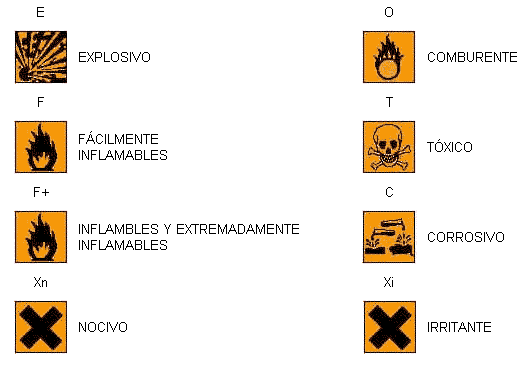
ANNEX III
Annual declaration of producers
1. This document forms the basis of the information obtained by the administration in relation to the production of toxic and hazardous waste (rtp).
2. The dcument includes all data that have been considered relevant to AN adequate knowledge of the rtp produced, its main characteristics and the way in which they are produced. Based on the experience gained with the application of these information systems, the formulations will be revised accordingly.
3. The document collects information for all year, so that the producer should keep it in mind to obtain and retain all the information needed for its completion at the end of the year covered by the declaration.
4. The rtp producer is the holder and responsible for the rtp until it is transferred and accepted by manager in a process covered by a prior authorization of the administration.
5. Consequently, the signatory of the annual declaration is the representative of the holder and the declaration is unique for each producer of rtp, regardless of the number of residues and production centers that depend on it. The declaration is identified with A unique number of the holder, which will be the tax identification number.
6. The annual declaration begins with subparagraph (a), corresponding to the data of the original holder or producer, which is responsible for the accuracy of all the data in the declaration from the producer centres that are dependent on the same holder.
7. The production rtp is related to a certain activity of production, transformation and/or consumption, which must necessarily develop in A certain site or producing center of the rtp. In addition, the monitoring of UN rtp requires control of its movements outside the centres where it occurred.
8. For the above reason, the declaration contains a few paragraphs b, which correspond to each producer center of one or more rtp, which contain the data for the proper identification and localization of the center, the evaluation and comparison of the data provided and the identification and location of the person responsible for the rtp by delegation of the holder to the producer centre.
9. Rtp are produced in certain processes developed at the centre, called production processes. For statistical and comparative purposes, it is necessary to distinguish the production processes, which are the generators of rtp. For this reason, the declaration includes a series of sections C, one per production process, which contain the data that have been considered useful for control and information of the administration, as well as for the proper characterisation of the residue according to its origin, given by the production-producing activity tandem. Section C ends with A list of toxic and hazardous waste produced in the process.
This division into processes implies that similar residues originating in distinct processes from UN same production center are waste different to all identification and control effects.
10. Finally, each different rtp appears in the annual declaration in UN section D, where general data, encoding and other specific data are contained.
Consequently, each rtp is biunivocally identified by the sequence of the following data:
Tax identification number of the holder.
Order number of the production centre in the annual declaration.
Order number of the production process in the annual declaration.
Order number of the residue in the annual declaration.
The order numbers for new waste arising prior to the submission of an annual declaration shall be correlated and assigned in the process of authorisation to the manager and the acceptance agreement between manager and producer or between managers.
11.
The serial numbers shall be kept in successive annual declarations or modified correspondingly in case of disappearance of any centre, process or waste.
Codes or subcodes for which the corresponding table is not available shall be assigned by the administration.
12. The holder must incorporate into the annual declaration all those information relating to the rtp he considers of interest, and in particular all that being related to the dangerousness of the residue are not adequately covered by the standard codes or epigraphs of the declaration.
13. The import of UN rtp is considered A production process and the importer becomes a producer and holder of the rtp. The centre where the rtp, dependent on the holder, is collected and stored for the first time, is considered a producer centre.
ANNEX V
Control and follow-up document
1. This document constitutes the instrument for monitoring toxic and hazardous waste (rtp) from its origin to its treatment or disposal, but in particular aims to control the processes of transfer of the rtp between the producer centre and the managing centre or between managing centres, so that the ownership and responsibility of the rtp are well identified.
2. The control and monitoring document shall consist of six identical copies on self-copying paper which are divided into two data groups, depending on whether they are to be completed by the sender (producer or manager) or the recipient (necessarily UN manager). These six specimens shall be of different colour: (1) white, (2) pink, (3) yellow, (4) green, (5) blue and (6) yellow with red stripe.
The boxes reserved for signatures are not self-calculated, and must be filled in individually in each of the six copies of the document.
3. The process followed will be schematically as follows:
The sender of a given quantity of UN rtp shall complete the data group which corresponds as such, in its entirety, including the signature authorized by the company for that purpose.
The sender will keep the pink copy for your file (2).
The sender shall send a copy to the yellow autonomy community (3), where the origin centre of the rtp is located, which shall be the dispatcher; For the central management general direction of environment (dgma) will be white copy (1).
The sender shall deliver the remaining three copies (4), (5) and (6) to the carrier to accompany the waste to its destination.
The consignee shall receive together with the residue the three copies of the document and after verification of the data declared by the sender, and only if the transfer of ownership of the waste is accepted will it complete the entire data group, including the signature authorized by the company to do so.
The recipient shall keep in its file the blue copy (5) and send to the autonoma community where the yellow red striped copy is located by the waste receiving centre (6); For central administration (dgma) will be green copy (4).
The document referred to in this Annex shall be made available to producers and managers of toxic and hazardous waste in the general direction of the environment of the Ministry of Public Works and Urbanism and in the environmental bodies of autonomous communities.
Copies of the document held by the producer and manager for their own registration must be kept for a period not less than five years.
4. The above process implies that the relationship between A certain shipment of a quantity of UN rtp and its documentation is biunivoc.
Each control and follow-up document:
It covers only homogenous substances, as they have a unique code of identification as rtp. The sending of several rtp requires the completion of as many documents as different waste are sent, understanding by different ones those that do not have A same identification code or, even having it, they are not covered by the same acceptance agreement.
Covers only consignments of quantities to be kept together throughout the transport process, as the document must accompany the relevant residue. For this reason separate documents will be required for each quantity being transported, regardless of the others. The sender must know a priori, since they are included among the data to be completed by him, the complete process of transport to the recipient. The incidences that may occur during transport, which may affect the characteristics, quantities or means of final transport, shall necessarily be reflected by the consignee, even if they do not lead to the rejection of the consignment.
5. In the issue section to be completed by the addressee, the addressee shall describe any incidence or variation detected in relation to the sender's data prior to signature and send copies thereof. To verify the most relevant data, these have been included in the data group to be completed by the recipient, even if they are already included within the group filled out by the sender.
6. If an incident is detected after signature and copies of the document are sent, the addressee, the legal holder of the waste, shall immediately communicate it to the Autonomous Community and the dgma, attaching a photocopy of the document in their possession.
7. Where the recorded incidences result in refusal of acceptance by the addressee to send it, the addressee shall express it in the document and shall communicate it as a matter of urgency to the relevant bodies (autonoma and dgma community). Indicate whether the shipment returns with the same carrier to the origin centre of the sender or, where this is not possible, whether it remains in temporary storage at the consignee's installation until it is withdrawn by the holder.
8. The agreements between sender and recipient concerning the details of the previous cases and the communication to the sender of the acceptance or not of the shipment will be covered by the clauses of the corresponding acceptance agreement.
9. In view of the follow-up sought, an uncontrolled movement of rtp between producer centres of the generating company is not allowed; For these movements the receiving center must have the corresponding authorization of the autonomous community to act as manager.
Analysis
Previous references
- IN ACCORDANCE WITH ADDITIONAL PROVISIONS 1 OF THE LAW 20/1986, 14 May (Ref. 1986/12192)
- CITA DIRECTIVE 78/319/EEC of 20 March (OJ L 84, 31.3.1978). (Ref. 1978/80070)
- REPRESENT THE ARTS. 50, 51, 56 AND DECLARE THE FORCE, WHEN NOT APPOINTED, OF THE REST OF THE ARTS, BY LAW 10/1998, OF 21 APRIL . (Ref. 1998/9478)
- Royal Decree 1217/1997 of 18 July was issued pursuant to this legislation on hazardous waste incineration. (Ref. 1997/17946)
- Art. 17, 37, 40 and Annex I, and add an additional provision by REAL DECREE 952/1997 of 20 June 1997 (Ref. 1997/14934)
- It modifies the art. 12, BY REAL DECREE 1771/1994, OF AUGUST 5. (Ref. 1994/19135)
- Rules are laid down for the progressive reduction of contamination by titanium dioxide residues, by order of 18 April 1991 . (Ref. 1991/10355)
- The final disposition is determined in accordance with the regulations governing cross-border shipments of toxic and hazardous waste: order of 12 March 1990 . (Ref. 1990/6643)
- The final disposition is determined in conformity, determining methods of characterisation of toxic and hazardous waste: order of 13 October 1989 . (Ref. 1989/26488)
- Contamination by titanium dioxide residues is regulated by order of 28 July 1989 . (Ref. 1989/19340)
- In accordance with the rules governing the management of PCBs and pct: order of 14 April 1989 . (Ref. 1989/9738)
- Is determined by regulating the management of used oils: order of 28 February 1989 . (Ref. 1989/5276)
- Establishes a period of 18 months from its entry into force for the progressive adaptation to the provisions of the regulation.
- Mineral oils
- Vegetable oils
- ALQUITRAN
- BARNICES
- COLORANTS
- Autonomous communities
- Atmospheric pollution
- Water pollution
- ENTERPRISES
- CARTONS
- Specialties and pharmaceutical products
- LABELS
- Explosives
- Forced expropriation
- GAS
- GRASES
- Imports
- Industries
- JABON
- Environment
- METALS
- MINERAL
- PINTURA
- Pyrotechnic
- Pesticides
- PLASTICOS
- Chemical products
- Toxic and hazardous waste
- HEALTH
- CIVIL liability insurance
TrafficADR (2001-2022) The regulations are in the public domain, therefore free reproduction. Home info@dgsa.es Privacy Policy and Legal Notice